If you often feel stiff, tight, or restricted, your muscles and fascia may be carrying more tension than you realise.
Dry cupping therapy is a targeted recovery technique that uses suction cups on the skin to help release tight soft tissue, ease deep knots, improve local circulation, and ease muscle discomfort.
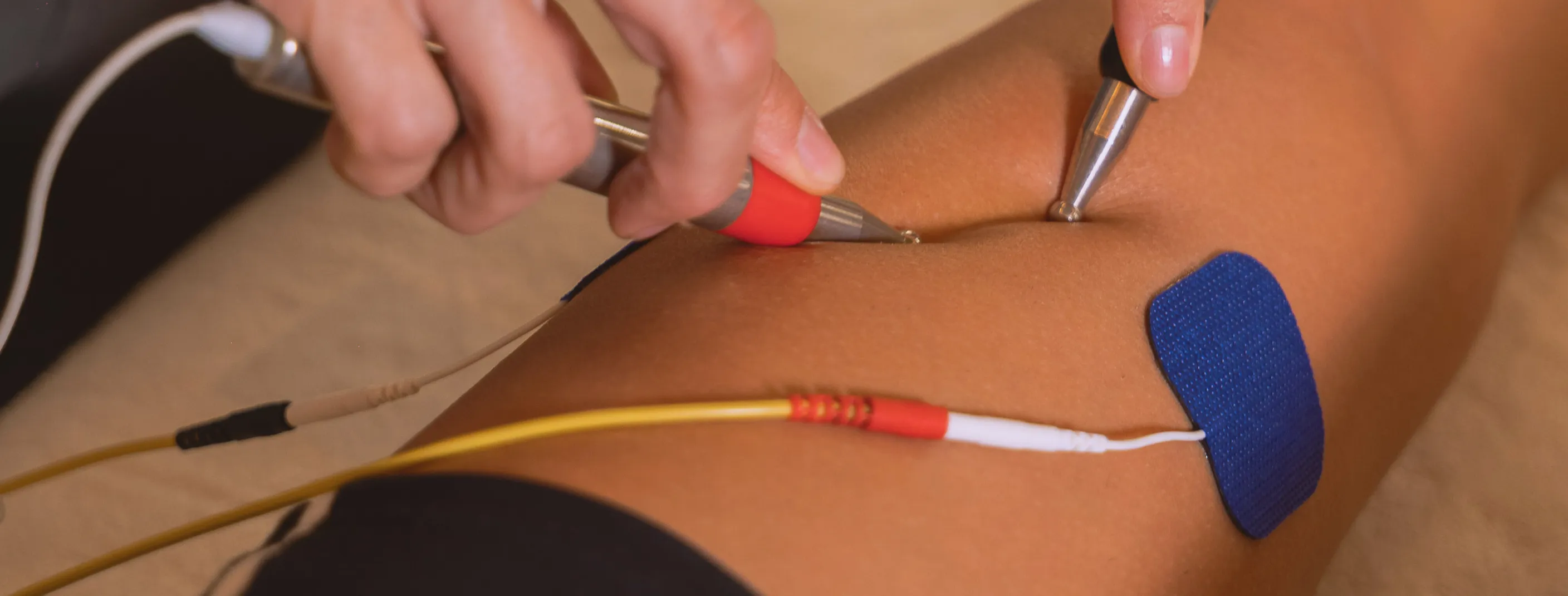
At Wellnest, a wellness center in Dubai, dry cupping is used alongside other therapeutic techniques. Depending on your case, it may be combined with manual therapy, sports massage, graston tools, assisted stretching, or kinesio taping to support faster recovery.
In general, there is no single tool that releases knots or solves muscle tension on its own. Recovery works best through an integrated approach, using a combination of techniques to support and stimulate the body’s natural healing systems.
What Is Dry Cupping Therapy?
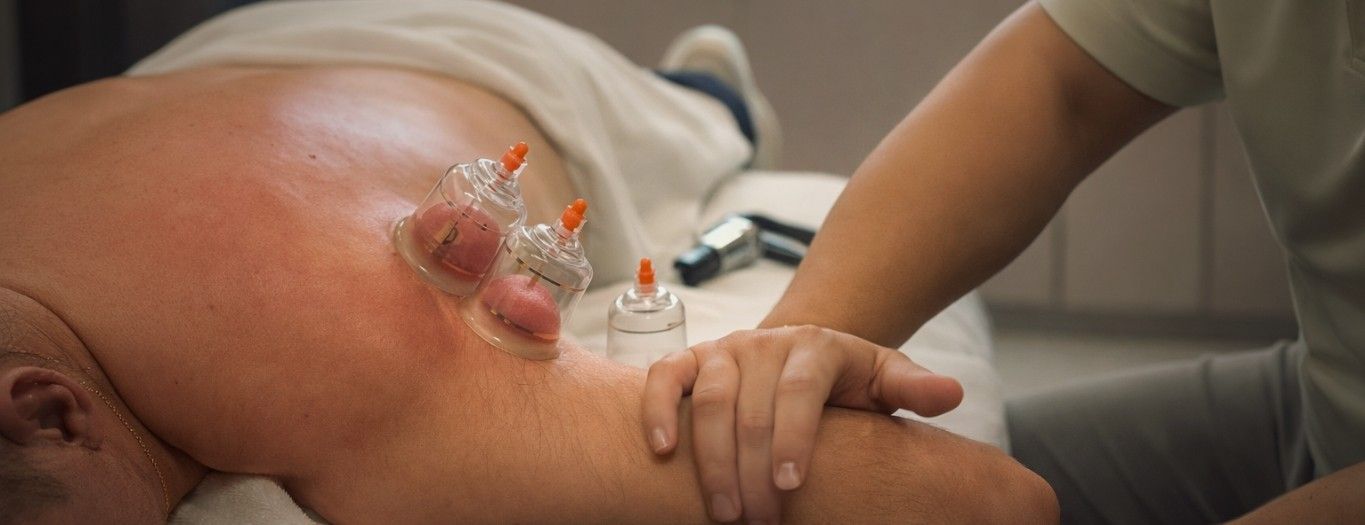
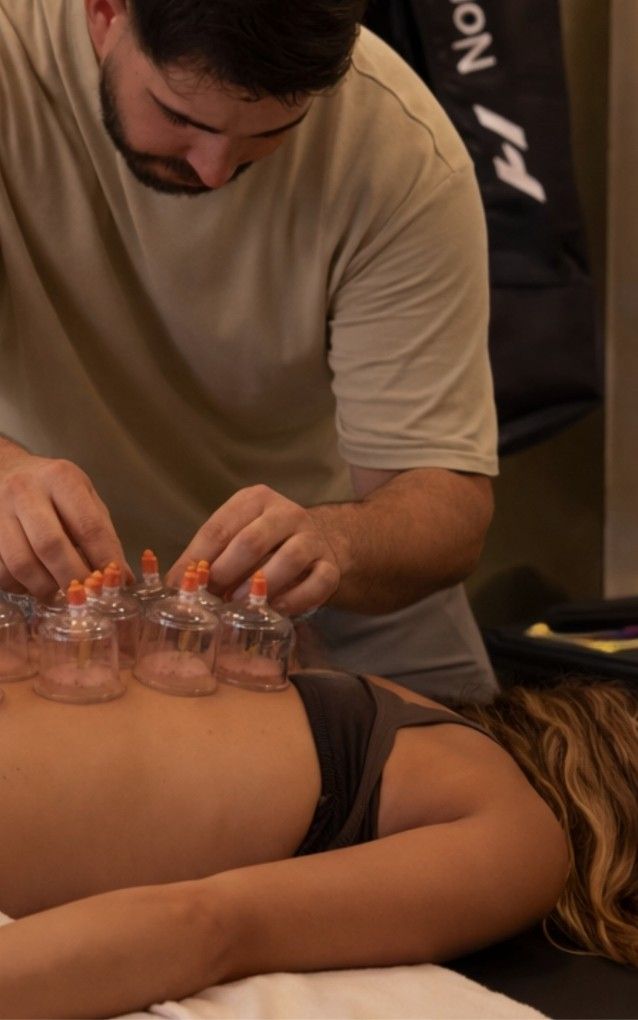
Dry cupping therapy is a soft tissue technique that uses suction cups to create a vacuum-like effect on the skin. This gentle pulling action lifts the superficial layers of skin, fascia, and muscle tissue, helping reduce restrictions in tight or overworked areas.
It also encourages local blood circulation in areas where the tissue feels tense, compressed, or restricted. This matters because healthy blood flow plays an important role in recovery, bringing oxygen and nutrients to the affected area.
When muscles and fascia stay tight for long periods, small blood vessels in the area can become compressed. This can limit circulation and contribute to ongoing stiffness, soreness, and sensitivity. By creating space through suction, dry cupping can help ease this restriction, encourage blood flow, and support the body’s natural repair process.
How Is Dry Cupping Different from Massage for Recovery?
Dry cupping and massage both help release tension, improve circulation, and support recovery, but they work in different ways.
Massage uses direct pressure into the muscles, while dry cupping uses suction to gently lift the skin, fascia, and soft tissue. In simple terms, massage works by pressing down into tight areas. Cupping works by pulling the tissue upward.
Direction of Pressure
Massage uses positive pressure. The therapist presses, kneads, and works into the muscles to soften tension and improve tissue mobility.
Dry cupping uses negative pressure. The suction pulls the skin, fascia, and superficial muscle layers upward, helping decompress areas that feel tight or restricted.
Effect on Circulation
Massage supports circulation through rhythmic pressure and release. This helps move blood and fluid through the tissue.
Dry cupping encourages local circulation by drawing blood flow toward the treated area. This helps bring oxygen and nutrients to tight or overworked tissue, supporting the body’s natural recovery process.
Why They Are Often Combined
Massage techniques help warm and soften the tissue, while also supporting fluid movement and release through the lymphatic system. When combined with dry cupping, this can help ease deeper knots, stubborn restrictions, and areas in pain.
Together, they create a more complete approach to muscle tension, recovery, and circulation.
Dry Cupping vs Wet Cupping: What’s the Difference?
Wet cupping, also known as hijama, is a traditional practice that involves small skin incisions and controlled blood extraction. This is believed to help release stagnant blood and promote localized healing through a micro-injury response. Because the skin is broken, wet cupping requires a higher level of hygiene, proper sterilisation, and aftercare.
Dry cupping does not involve cuts, blood, or skin punctures. Instead, it uses suction to lift the skin, fascia, and superficial soft tissue. This helps encourage local circulation, support lymphatic flow, and improve tissue mobility in areas that feel tight, heavy, or restricted.
While wet cupping focuses on blood extraction, dry cupping focuses on decompression. It can help reduce the feeling of restricted circulation and fluid stagnation without breaking the skin, especially when combined with lymphatic drainage techniques, manual therapy, or sports massage.
For muscle tension, sports recovery, and everyday stiffness, dry cupping offers a non-invasive way to support circulation and soft tissue release without the need for skin punctures.
Is It Normal for Dry Cupping to Leave Marks on The Skin?
Dry cupping leaves superficial circular marks on the skin. These marks are temporary and can vary in colour and intensity from one person to another, depending on skin sensitivity, suction level, circulation, and tissue condition.
Cupping marks on the skin are common and temporary. They can look like circular red, purple, or brown marks, depending on your skin tone, tissue sensitivity, and how much stagnation or tension is present in the treated area.
These marks are not the same as a regular bruise from impact. They happen because suction draws blood closer to the surface of the skin.
Darker marks do not always mean the treatment was “better” or provided more release. Most cupping marks fade within 3 to 7 days, although some may disappear sooner.
Who Is Dry Cupping Suitable For?
Dry cupping may be suitable for people dealing with muscle tightness, back pain, shoulder tension, post-workout soreness, restricted mobility, or general body stiffness.
It may not be suitable if you have certain skin conditions, open wounds, active infections, blood clotting disorders, or if you are taking blood-thinning medication. It is also important to tell your therapist if you are pregnant, recently had surgery, or have any medical condition.
At Wellnest, your therapist will assess your case first and decide whether dry cupping is the right tool for you.
Dry Cupping Therapy in Dubai at Wellnest
At Wellnest in Dubai, dry cupping therapy is not treated as a one-size-fits-all service. It is a recovery tool that should be recommended by your practitioner after understanding your symptoms, movement patterns, and source of restriction.
This matters because pain is not always coming from the place where you feel it. Back pain may be linked to posture, and muscle soreness may be linked to weak muscle chains or core.
That is why an assessment is important. Your practitioner can identify the possible source of tension and decide which therapies will provide long term relief.
Frequently Asked Questions
What conditions does dry cupping therapy help with?
Dry cupping therapy may help with muscle tension, back pain, neck stiffness, shoulder tightness, post-training soreness, and restricted movement. It is often used as part of manual therapy or sports recovery, especially when soft tissue feels tight, heavy, or stuck.
Is Dry Cupping Painful?
Dry cupping should not feel painfully intense. Most people describe it as a pulling, tight, or pressure-like sensation. Some areas may feel more sensitive, especially if the muscles are very tight, but the treatment will always stay within your comfort level.
After the session, you may feel mild soreness, similar to the feeling after deep tissue massage. This usually settles within a day or two.
How many dry cupping sessions do I need?
It depends on your body, your symptoms, and how long the tension has been present. Some people feel lighter after just one session, while chronic tightness may need a few sessions combined with corrective movement therapy or manual myofascial release.
Is dry cupping therapy available in Dubai?
Yes, dry cupping therapy is available at Wellnest in Dubai as part of manual therapy and sports recovery sessions. Your therapist will assess your body first and decide if cupping is suitable for your case.
Experience Dry Cupping Therapy in Dubai at Wellnest
Dry cupping therapy can be a helpful way to release tight muscles, improve localized circulation, and support faster recovery when the body feels stiff or restricted.
At Wellnest, it is used with intention, not as a standalone trend, but as part of a personalised approach to pain relief and post-workout recovery.
Book a complimentary consultation at Wellnest to find the right treatment approach for your body.