
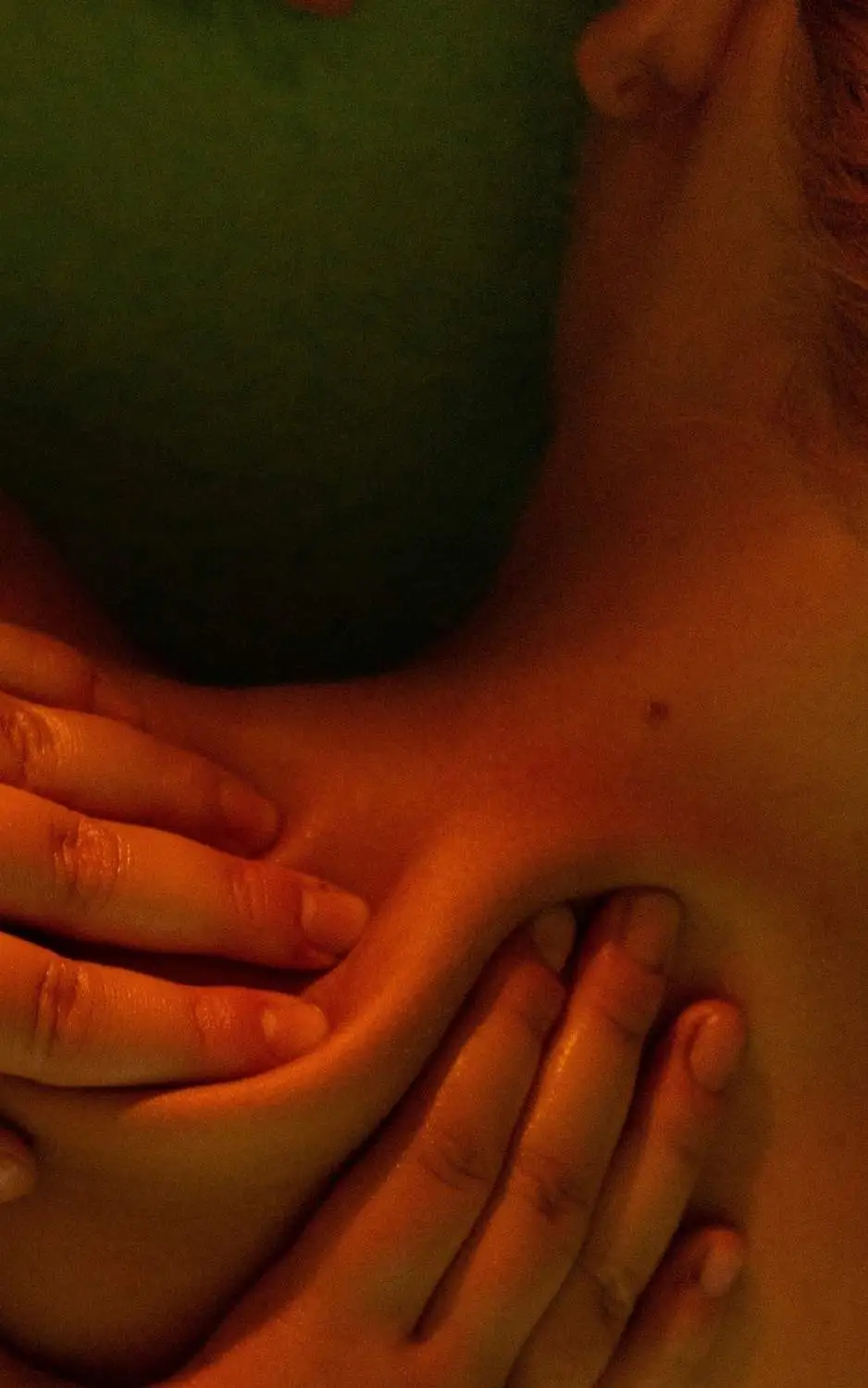
Muscle knots often felt as tight, tender spots in the body, are one of the most common reasons people seek pain relief in Dubai. They tend to build up in the neck, shoulders, and back, especially with a desk-dominant lifestyle, stress, overworked muscles, or repetitive movement patterns.
While they may feel localized, muscle knots are rarely just about one spot. They reflect how the body is moving, holding tension, and recovering over time. That’s why a more complete pain management approach is often needed for lasting relief.
What Are Muscle Knots and Why Do They Form?
Muscle knots are often linked to myofascial trigger points, small areas where muscle fibers remain contracted instead of relaxing.
They can develop due to:
- Poor posture (like forward head or rounded shoulders)
- Repetitive strain from daily habits
- Lack of movement or long periods of sitting
- Physical training without proper recovery
- Stress and tension held in the body
Over time, these tight areas reduce circulation, limit movement, and can even refer pain to other parts of the body.
Why Pressing on Muscle Knots Feels Good
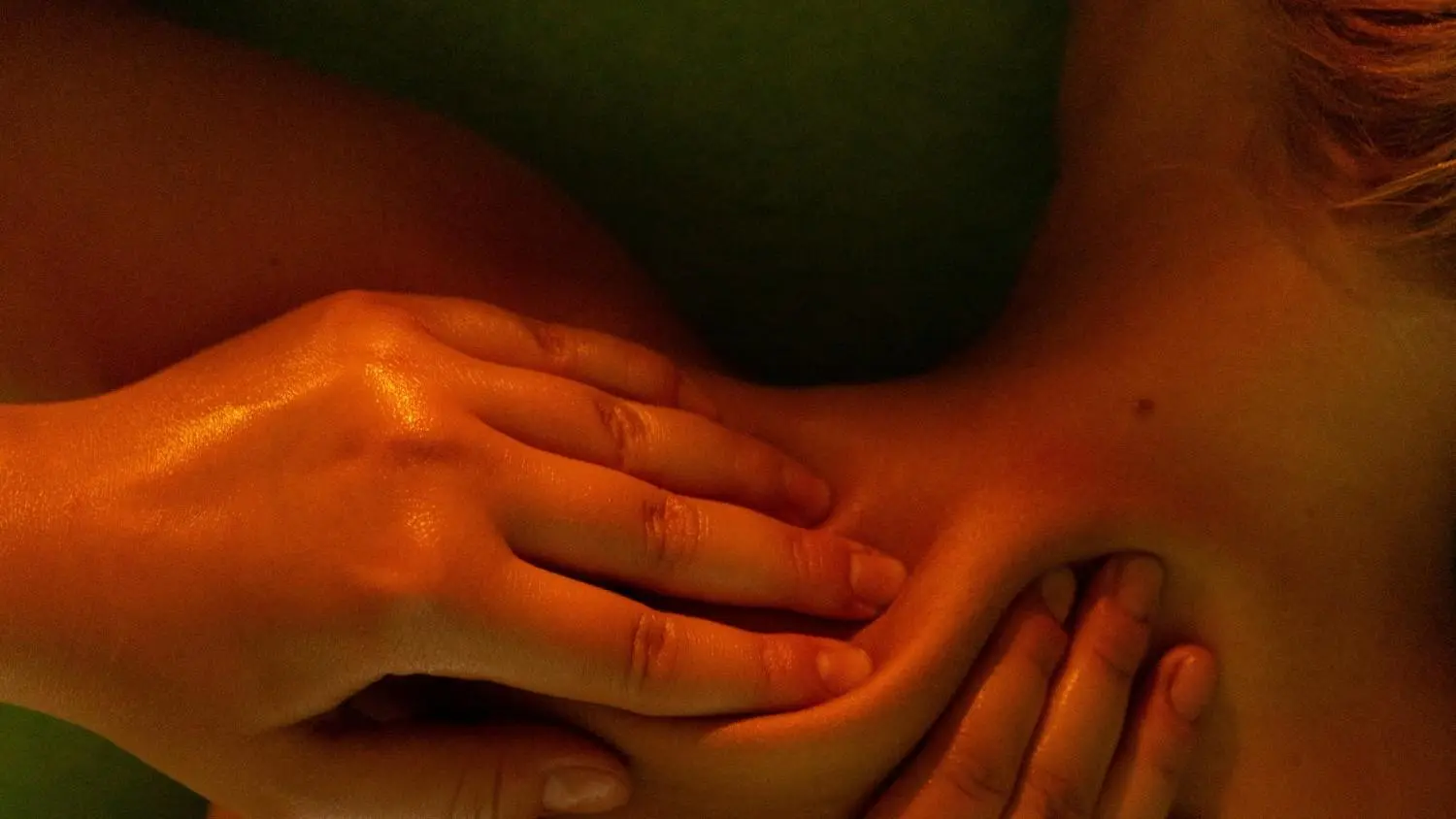
If you’ve ever pressed into a knot and felt that “good pain,” there’s a reason behind it:
- Increased circulation: Pressure temporarily restricts blood flow, followed by a fresh rush of oxygen and nutrients when released
- Neurological response: The nervous system receives a new signal, helping interrupt the cycle of tension
- Endorphin release: The body releases feel-good chemicals that reduce pain perception
- Myofascial release: Targeted pressure helps reduce built-up tension in the tissue
This is why techniques like trigger point therapy or deep tissue work can feel intense, yet relieving at the same time.
Why At-Home Methods Aren’t Always Enough
Stretching, foam rolling, or massage tools can help temporarily. But when knots become persistent, they often need a more targeted approach.
Working with a trained practitioner who understands the body’s anatomy at a pain management center or wellness center in Dubai allows for:
- Precise identification of where the tension is actually coming from
- The right level of pressure to safely apply
- A combination of techniques that go beyond surface-level relief
- Guidance on movement and posture to prevent recurrence
This is where real, longer-term pain management begins.
Effective Treatments for Muscle Knots
At Wellnest, muscle knots are approached through a combination of therapies, not just one method.
The body works as one connected system. Muscles, fascia, and joints are constantly interacting, meaning tension doesn’t stay isolated. A knot in the neck or shoulders is often part of a broader pattern involving posture, movement patterns, or restrictions elsewhere in the body.
This integrated approach allows for more targeted pain relief, while helping reduce the likelihood of knots returning.
Here are some of the most effective therapies used to treat muscle knots, especially those contributing to back, neck, and shoulder pain:
1. Manual Therapy & Sports Recovery
Hands-on techniques that directly target tension, using one or a combination of methods based on the depth, location, and cause of the muscle knots:
- Trigger point therapy
- Myofascial release
- Joint mobilization
- IASTM (instrument-assisted soft tissue work)
- Dry cupping
These techniques help release tight tissue, improve circulation, and relieve chronic pain.
2. Therapeutic Massage
Different styles can be used depending on the depth and intensity of the knots:
- Targeted deep tissue techniques
- Sports massage techniques
- Assisted stretching
This therapy supports immediate pain relief and helps the body recover more effectively.
3. Corrective Exercise & Movement Therapy
This approach focuses on retraining how the body moves to address the underlying imbalances that cause muscle knots. Without this step, tension often returns even after it’s been released.
It supports:
- Improved flexibility and range of motion
- Postural alignment
- Strengthening of underactive muscle groups
This is essential for long-term pain management, not just temporary relief.
4. B-E-St Microcurrent Therapy
At Wellnest, Bio-Energy Stimulation (B-E-St device) is used alongside manual therapy sessions to:
- Support cellular energy (ATP production)
- Help reduce pain and inflammation
- Accelerate tissue repair
It works on a deeper level to support the body’s natural healing response.
5. Heat & Cold Therapy
Contrast therapy, or using heat and cold individually, supports overall pain relief.
It works by influencing vasodilation and vasoconstriction, heat expands blood vessels to increase circulation, while cold constricts them to help regulate inflammation.
- Infrared sauna: Infrared Sauna improves circulation, relaxes tissue, and supports recovery
- Cold therapy: helps regulate inflammation and reset the nervous system
Both can be integrated into a broader pain management or recovery routine.
Why a Holistic Approach Matters
Muscle knots are not only physical in nature. They are often influenced by how the body responds to stress, as well as how tension and unresolved emotions are held over time.
A more complete approach within a wellness center in Dubai considers:
• Movement patterns
• Posture and alignment
• Nervous system regulation
• Daily habits
This allows for a more effective treatment plan, supporting the body beyond short-term relief.
Simple Tips to Prevent Muscle Knots
Muscle knot prevention is supported by regular habits that help the body stay balanced and pain-free:
- Gentle stretching: keep muscles lengthened and mobile
- Movement breaks: avoid staying in one position too long
- Targeted exercise: supports mobility, alignment, and strength
- Posture awareness: especially during desk work
- Regular bodywork: don’t wait until pain builds up
- Infrared sauna: to support cellular repair and healing
Frequently Asked Questions
What dissolves muscle knots?
Muscle knots don’t simply “dissolve” on their own. They respond best to a combination of manual therapy, movement, and circulation-based treatments that help the muscle fibers release and reset.
Will a sports massage get rid of muscle knots?
A sports massage can be very effective in relieving muscle knots, as it uses a combination of techniques and is performed by a practitioner who understands the body’s anatomy. It helps reduce tension, improve blood flow, and support recovery.
What is the best massage for very tight muscles?
Therapeutic and sports massage are commonly used for tight muscles, as they target deeper layers of tissue. The effectiveness often comes down to the practitioner, their understanding of the body and how they apply different techniques.
Final Thoughts
Muscle knots in the back, neck, and shoulders are common, but they don’t have to be something you live with.
With the right pain management approach, the body can release tension more effectively and reduce the likelihood of knots returning.
At Wellnest, the focus goes beyond temporary relief, combining manual therapy, recovery techniques, and movement-based solutions to support lasting pain relief and improved function over time.