
Key Takeaways
- In 2026, sustainable productivity for founders, executives and athletes depends as much on recovery as on effort. Neuroscience and burnout research confirm that without structured restoration habits, cognitive performance declines regardless of hours worked.
- Recovery is a performance tool. High performers who build intentional recovery routines into their weeks consistently outperform those relying on willpower or passive rest.
- Nervous system regulation, high-quality sleep and effective wellness therapies directly affect decision-making, creativity and emotional control, the skills that separate good leaders from exceptional ones.
- Dubai and the wider UAE present a unique context: Intense pressure, long work hours and high stakes make mindful recovery a competitive advantage rather than a luxury.
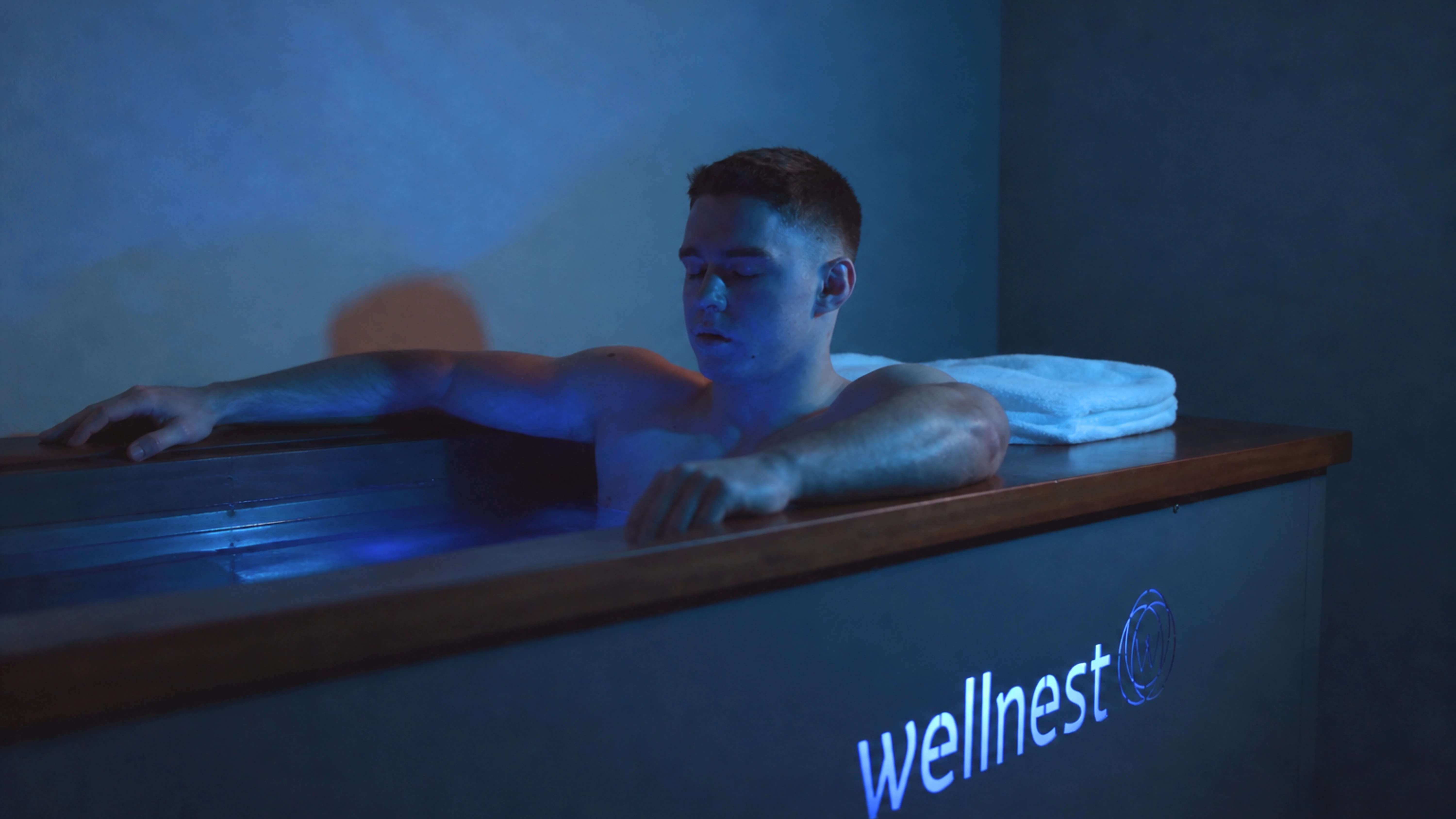
- Recovery centers like Wellnest in Dubai give high performers access to advanced recovery modalities, bodywork and guided nervous system regulation to support sustainable energy output across demanding careers.
The Recovery Productivity Link Why More Effort Doesn’t Always Lead to Better Results
The effort recovery model, developed in occupational health research during the 1980s and 1990s, established a principle that still challenges conventional hustle culture: chronic effort without adequate recovery leads to declining performance, even when hours increase. Recovery requires enough time to restore mental, emotional and physical resources; without sufficient time, fatigue and burnout become inevitable.
This isn’t intuitive, Most ambitious professionals assume that more input equals more output. But the research tells a different story. When you push through exhaustion without restoring cognitive resources, your brain begins operating in a depleted state. Clarity drops, decision-making feels less reliable, and emotional regulation becomes harder to maintain.
Consider a business professional in Dubai moving through an intense quarter. In the early weeks, energy is high. Focus feels sharp. Decisions come easily.
But as the pace continues without real recovery, the pattern begins to shift:
- Decisions take longer and need more revisiting.
- Small mistakes start to appear overlooked details, mis-sent emails.
- Mental load feels heavier, even for routine tasks.
- Creative thinking fades, replaced by reactive problem-solving.
The hours haven’t decreased. If anything, they’ve increased. But the capacity to think clearly and work with ease starts to decline.
True productivity is reflected in the quality of decisions and the ability to make steady progress over time not in hours spent online or back-to-back meetings.
Fields that demand precision and responsibility have long understood this, such as elite athletes and surgeons. Regular recovery isn’t optional; it’s non-negotiable and built into how people are able to perform well, consistently.
Knowledge-based roles are beginning to recognise the same truth: without recovery, clarity fades and performance becomes harder to sustain.

What Recovery Really Does Inside the Brain and Body
Recovery is a biological reset process that allows your brain and body to restore the capacity required for sustained, high-level functioning.
At the core of this process is the autonomic nervous system, which contains two branches: the sympathetic (“fight or flight”) and parasympathetic (“rest and digest”). Under acute stress, the sympathetic system sharpens attention, increases heart rate and mobilises energy useful for high-stakes meetings or critical deadlines.
The problem arises when high performers in high-growth environments get stuck in chronic sympathetic activation. Without sufficient parasympathetic counterbalance, the body remains in a state of heightened vigilance. Over time, this impairs:
When high performers remain in a state of chronic sympathetic activation, the effects show up across multiple systems not all at once, but progressively.
Cognitive control declines first.
The prefrontal cortex, responsible for planning, focus, and impulse regulation, becomes less efficient under prolonged stress. Decision-making narrows, attention fragments, and reactions become more automatic rather than deliberate.
Emotional regulation follows.
As stress persists, emotional reactivity increases. Small challenges feel disproportionately triggering, and conflict becomes harder to manage calmly or constructively.
Hormonal rhythms begin to drift.
Sustained activation disrupts natural cortisol patterns, which directly affects energy levels, mood stability, and the ability to recover between demands.
Immune resilience weakens over time.
When the body remains in a high-alert state for too long, vulnerability to illness increases as recovery and repair processes are deprioritised.
Sleep science reinforces this further. During deep and REM sleep, the brain consolidates memory, processes emotional experiences and generates creative insights. Research consistently shows that breakthrough ideas often emerge after rest and not during intense effort.This is why clarity and problem-solving often return after rest, not during prolonged effort. The brain needs space to integrate information before it can respond.
Approaches that directly target the nervous system such as guided breathwork, bodywork, and low-stimulation environments can support accelerated recovery. They help the system shift out of prolonged stress and into a state where restoration can occur.
Spaces like Wellnest in Dubai are designed around this principle, creating conditions that support recovery from within. Over time, noticing how the body responds helps people recognise which forms of recovery genuinely restore capacity.
The Cost of Skipping Recovery: Burnout, Errors, and Reactive Leadership
In 2019, the World Health Organization classified burnout as an occupational phenomenon characterised by three dimensions: exhaustion, cynicism, and reduced professional efficacy. Burnout isn’t a personal weakness. It’s a system failure in recovery.
For high performers, the warning signs often go unnoticed because they’ve normalised operating at the edge:
- Making simple mistakes that previously wouldn’t happen
- Needing more caffeine late in the day just to maintain baseline performance
- Feeling detached or irritable with colleagues and family despite “success on paper”
- Avoiding decisions or rushing them rather than thinking strategically
Burnout can impact every aspect of life, affecting not only work but also relationships, health, and overall well-being.
Chronic stress levels narrow attention. Leaders slip into short-term, reactive firefighting rather than long-term, strategic thinking. The sense of control diminishes. Fatigue becomes the default state.
Consider this scenario: a regional executive based in Dubai runs MENA operations for a multinational. Constant travel, five to six hours of sleep, and back-to-back calls across time zones become the norm. Over time, they notice that key decisions get postponed or rushed. Relationships with direct reports start to feel transactional. Health markers begin to shift.
What looks like sustained performance on the surface is, underneath, a system under prolonged strain, which begins to affect both engagement and how others experience working with you.
By the time severe burnout becomes obvious, recovery often requires months of lifestyle change. This is why proactive micro and macro-recovery is essential for sustained careers. Waiting until you’re overwhelmed is too late.
Types of Recovery: Micro, Macro, and Deep System Reset
Not all rest restores in the same way. Different time scales of recovery serve different functions, especially in high-demand roles.
For example, intentional pauses like taking a short walk outside during a busy workday can help release accumulated stress and reset attention, making recovery part of everyday rhythm rather than something reserved for time off.
Micro-Recovery (Seconds to 15 Minutes)
Short, deliberate practices create “release valves” during 10–12 hour days:
- 3–5 minute breathing protocols between intense calls.
- Standing stretches or brief walks away from the desk.
- Stepping outside for natural light exposure.
These brief breaks reduce cognitive load and help you regain focus without requiring large time investments. Research suggests that even a short break every 90–120 minutes can significantly improve sustained attention.
Macro-Recovery (Evenings, Weekends, and Intentional Off-Days)
Protected time away from screens, high-stakes decisions and work talk:
- Activities that restore your sense of self beyond professional identity.
- Time with family, creative hobbies, prayer, simply being at the beach or desert.
- Psychological detachment from work and not just physical absence.
The effort recovery model emphasises that without genuine detachment, the brain doesn’t fully recover, even during “time off.”
Deep System Reset (Half-Day to Multi-Day Recovery Experiences)
Structured sessions that combine multiple modalities:
- Bodywork, breath practices, heat/cold exposure.
- Nervous system downshifting in curated environments.
- Guided experiences designed specifically for high performers.
At Wellnest, Executives and Founders often use curated recovery sessions as quarterly or monthly resets to clear accumulated stress. Think of it as scheduled maintenance for your operating system.
An effective recovery strategy uses all three levels similar to how athletes combine active recovery, rest days and off-seasons.
Effective vs. Ineffective Rest: Not All Breaks Help
Here’s a common mistake: assuming any time away from the laptop counts as recovery, Unfortunately it doesn’t.
Effective Recovery Activities
- Low-stimulation walks without podcasts or calls.
- Reading physical books for pleasure.
- Gentle mobility work or restorative yoga.
- Short, guided nervous system practices.
- Time in nature or quiet environments.
Ineffective “Rest”
- Scrolling social media feeds in bed late at night.
- Checking emails on a second device while “taking a break”.
- Watching highly stimulating content that keeps the nervous system activated.
- Ruminating about work problems during supposed downtime.
The difference comes down to arousal. Effective recovery lowers heart rate, muscle tension and mental chatter. Ineffective rest keeps the brain in a high-alert state, delaying genuine restoration.

Designing a Daily Recovery Rhythm for High Performers
Here’s a practical structure you can apply immediately, especially in demanding roles in Dubai or similar high-intensity cities. Taking a moment to assess your current lifestyle often reveals where small, mindful changes can support recovery and manage stress over time.
Sample Weekday Structure
Morning (First 30 Minutes)
- 5–10 minutes of intentional breathing, soft movement, or journaling before opening devices.
- Natural light exposure to support circadian rhythm.
Deep Work Blocks
- 90–120 minute focused work session.
- 5–10 minute micro-break away from screens (no phone scrolling).
Midday
- 15–20 minute walk in natural light.
- Phone-free lunch where possible (even 20 minutes matters).
Afternoon
- Schedule 3–5 micro-breaks in your calendar, labelled as “recovery”.
- These are performance tools, not idle time.
Evening Shutdown Ritual
A simple end-of-day process can significantly reduce mental load and improve sleep quality:
- 5–10 minutes to list completed tasks and priorities for the next day.
- A device cut-off time (around 60 minutes before bed).
- Low-stimulation activities, such as reading, gentle stretching, or quiet conversation.
Weekly Integration
For Dubai-based professionals, consider scheduling a Therapeutic Massage or Manual Therapy bodywork on a weekly or bi-weekly basis to support physical release and nervous system down-regulation. Treat it with the same intention you would any important commitment time set aside to protect future capacity.
Wellnest offers a variety of recovery therapies designed for busy professionals who need consistent support and effective results without extensive time investment.
Nervous System Regulation: The Hidden Lever of Sustainable Performance
Many high performers already optimize their tools: Calendars, Task managers and AI assistants. But they neglect their core operating system.
When chronically activated, the sympathetic nervous system creates a cascade of effects:
- Elevated resting heart rate and persistent muscle tension.
- Impaired digestion and disrupted sleep.
- The brain constantly scans for threats, reducing capacity for complex, creative problem solving.
- Decreased emotional control and increased reactivity.
Evidence-Based Regulation Tools
Regulating the nervous system doesn’t require extreme interventions. Simple, targeted inputs can shift the body out of chronic alertness and back toward balance.
Controlled breathing
Slow, rhythmic breathing around four to six breaths per minute sends a strong safety signal through the vagus nerve, encouraging a parasympathetic (“rest and digest”) response.
Progressive muscle relaxation
Intentionally tensing and releasing muscle groups helps reduce chronic holding patterns the body often maintains unconsciously under stress.
Body-based recovery work
Hands-on recovery approaches can address layers of tension that the conscious mind has adapted to and stopped noticing over time.
Sensory downshifting
Lower lighting, stable temperature, and calming sound environments reduce sensory load and reinforce signals of safety to the nervous system.
Repeated guided regulation through recovery treatments and practices, trains the nervous system to exit high-alert states more quickly. Over time, this makes intense work more sustainable.
Think of nervous system regulation as a trainable skill, similar to learning a new software tool or improving negotiation techniques. The returns compound over years.

Reframe Sleep as a Performance Enhancement Tool
Rather than “getting by” on 5–6 hours of sleep, research consistently points to 7–9 hours as the baseline needed to support clear thinking, emotional regulation, and physical recovery over time.
Sleep is a foundational process that allows the brain and body to restore the capacity required for sustained work and sound decision-making.
What Sleep Supports
- Memory consolidation: Complex projects and negotiations require overnight processing.
- Emotional regulation: Reduced impulsivity and fewer interpersonal conflicts.
- Metabolic health: Stable energy across long days without afternoon crashes.
- Immune function: Reduced sick days and faster recovery from physical stress.
Common Patterns Among UAE High Performers
- Late-night work due to international time zones or high-workload environments
- Evening stimulation (business events, screens, caffeine) delaying sleep onset
- Irregular schedules that make consistent sleep difficult
Practical Adjustments
- Maintain a consistent sleep and wake window, even with variable workdays (the body prefers rhythm).
- Create a 30–60 minute wind-down routine involving low light, minimal stimulation, and gentle stretching or breathwork.
- Limit caffeine after 2PM and manage evening screen exposure.
Regular bodywork, nervous system support and recovery sessions often improve sleep depth and consistency by reducing baseline stress and physical tension. This is one of the compounding benefits of structured recovery work.
Building a Long-Term Recovery Strategy for a Sustainable Career
The years ahead will favour people who can sustain clarity, capacity, and decision quality over time rather than cycling through short periods of intensity followed by depletion.
Think in Quarters and Years, Not Just Weeks
- Conduct quarterly reviews of energy, mood and health indicators.
- Plan recovery periods aligned with major launches, funding rounds or seasonal peaks.
- Track simple metrics: sleep quality, afternoon energy and decision confidence.
Treat Recovery as a Strategic Asset
Just as companies budget for executive coaching or strategy offsites, allocate resources for structured recovery:
Protect dedicated recovery time in your calendar so restoration is planned and safeguarded, not left to chance between work commitments.
Professional support
Invest in partnerships with trusted recovery providers, such as Wellnest, to ensure recovery is structured, guided, and consistent rather than ad hoc.
Environment
Design home and workspace environments that actively support restoration by minimizing stressors and supporting mental and physical reset.
Leaders Set the Tone
Executives who normalise recovery practices for themselves are more likely to build resilient teams. When employees see leadership prioritising sustainable performance, it shifts the culture away from performative overwork.
Sustainable productivity follows a rhythm periods of focused effort followed by deliberate recovery, repeated consistently over time. Those who remain steady and regulated tend to sustain their capacity far longer than those who rely on short bursts of intensity followed by depletion.

FAQ: Recovery and Productivity for High Performers
How much recovery do I actually need if my schedule is already full?
Research suggests most adults need 7–9 hours of sleep nightly plus short breaks every 90–120 minutes of deep work. Even 3–5 minute micro-breaks done consistently can significantly improve focus and reduce fatigue without reducing total output. The key is consistency rather than duration. Five minutes every two hours beats one hour once a week.
Can I “catch up” on sleep and recovery over the weekend?
While weekend recovery can reduce some acute sleep debt, it doesn’t fully reverse the cognitive and health impacts of chronic short sleep. Weekends should supplement it, not fix your recovery strategy. If you consistently operate on 5–6 hours during the week, weekend sleep-ins won’t restore full cognitive function. Focus on improving weekday rhythms for more reliable results.
Isn’t intense exercise enough for recovery?
While regular exercise supports health and mood, very intense training is itself a stressor that requires recovery. There’s an important distinction between stress (including positive stress like hard workouts) and recovery. Balance demanding physical fitness routines with down-regulating practices and adequate sleep. Many high performers benefit from alternating intense exercise days with gentler movement or dedicated recovery sessions.
How quickly will I notice performance benefits if I improve my recovery?
Some effects like reduced afternoon fatigue and improved clarity may be noticeable within a few days of better sleep and consistent micro-breaks. Deeper changes, such as improved resilience, fewer mood swings and more creative thinking, typically emerge over 4–8 weeks of consistent practice. The nervous system adapts gradually, so patience and consistency matter more than intensity.
What if I find it hard to switch off mentally, even when I schedule rest?
This is common among founders and executives, especially in high-stakes roles where the brain has been trained to stay vigilant. If you’re struggling to relax on demand try to start with guided regulation breathwork, bodywork or structured recovery sessions at places like Wellnest. These provide external support that helps the nervous system learn how to downshift. Over time, it becomes easier to access real rest instead of just “time away from the laptop.” Treat it as a skill you’re developing, not a natural talent you either have or don’t.