Dubai has no shortage of committed athletes and active individuals. Between 5am CrossFit sessions, back to back padel matches and weekend endurance runs, the training load in this city is high. A growing number of active residents are learning that rest days alone are not delivering the recovery their bodies actually need, and they are turning to structured sports recovery sessions in Dubai instead.
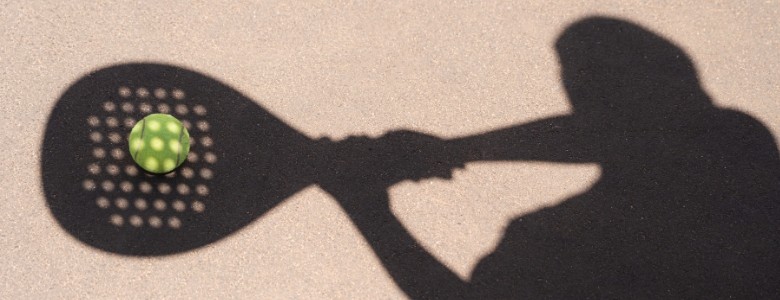
Meet Karim: The Padel Regular
Karim plays padel three times a week, lifts weights on the off days, and has never voluntarily taken a rest day in his life. For months he treated soreness as a badge of honour. Then his knees started aching before matches instead of after them, his serve lost power, and he was waking up stiffer than the day before.
A teammate suggested he try a sports recovery session at Wellnest instead of another rest day. His practitioner worked through his calves, hips and shoulders using myofascial release and soft tissue mobilization, then sent him straight into a cold plunge to bring the inflammation down. Instead of simply waiting for the soreness and pain to fade, Karim felt like he was actively recovering.
He now books a session every ten days, on top of his usual rest days, and says his knees have not complained since. That is the shift happening across Dubai's active population: recovery is becoming something you do, not something you wait for.
What Happens to Your Muscles on a Rest Day?
During a rest day, the body lowers cortisol and begins tissue repair. But without active intervention, metabolic waste like lactic acid clears slowly, and tight fascia around overworked muscles tends to stay put. A structured sports recovery session speeds this process up considerably, rather than leaving it to happen on its own timeline.
Passive rest, in other words, is not doing nothing wrong. It is just doing less than it could.
Is Active Recovery Better Than Rest Days?
For most trained athletes, active recovery is more effective than complete rest because it maintains blood flow, clears metabolic waste and reduces delayed onset muscle soreness (DOMS) without adding stress to the body. Complete rest still has its place after maximum effort or illness, but it should not be the default recovery strategy.
A 2024 systematic review in the Journal of Sport Area, supported by the Gatorade Sports Science Institute, found that active recovery improves blood flow and flushes lactic acid more effectively than passive rest alone.
Separately, a Frontiers in Physiology meta-analysis found that sports massage reduces DOMS severity by roughly 30 percent, and researchers at McMaster University found that massage lowers inflammatory markers in skeletal muscle while supporting mitochondrial growth.
What Dubai Athletes Are Doing Instead of Resting
Sports Massage and Soft Tissue Mobilisation
A sports massage session works deeper than a standard relaxation massage, targeting the muscles, tendons and connective tissue under the most strain. Techniques like soft tissue mobilisation, dry cupping and trigger point work release restriction at the source rather than just easing surface tension.
Cold Plunge and Contrast Therapy
Cold exposure is one of the fastest ways to bring down post-training inflammation, and pairing it with heat (infrared sauna therapy) helps regulate blood flow even further.
Does Cold Plunge Help Muscle Recovery?
Yes. Cold plunge therapy constricts blood vessels, reducing inflammation and swelling after intense training, then triggers a rebound in circulation once the body warms up again. This combination helps clear metabolic waste and can noticeably reduce next-day soreness.
Functional Recovery and Performance Sessions
For athletes managing repeat strain or the early signs of overtraining syndrome, Wellnest's Functional Recovery and Performance approach combines assessment with targeted, hands-on treatment aimed at the root cause, not just the symptom.
What Is a Sports Recovery Centre?
A sports recovery centre is a dedicated facility offering treatments such as sports massage, manual therapy, corrective exercises, cold plunge and infrared sauna to help athletes recover faster between training sessions. Unlike a general spa, the focus is on performance enhancement, injury prevention and pain management rather than relaxation alone.
With padel now one of Dubai’s fastest-growing sports and gym culture continuing to grow across the city, more residents are training regularly — and becoming increasingly aware of the need to recover properly between sessions.
How to Build a Sports Recovery Routine in Dubai
- Book one tailored sports recovery session per week, alongside your regular rest days
- Add a cold plunge after your highest intensity training day
- Incorporate infrared sauna sessions between training days
- Pay attention to early signs of overtraining syndrome, such as flat performance or lingering soreness, and book a session rather than pushing through
- Treat recovery as part of the training plan, not an optional extra
Training hard but not recovering smart? Give your body the support it needs. Book your sports recovery session at Wellnest, Dubai →
Rest days are not the enemy, but for Dubai's padel players, CrossFit regulars and weekend endurance athletes, they are rarely enough on their own. A proper sports recovery routine, built around targeted therapy and supportive biohacking sessions, is what actually closes the gap between training hard and performing well. At Wellnest in The Springs Souk, that is exactly what it is built for.
Related reading: The Missing Link in Wellness Routines: Sports Recovery Therapy