Sports Massage in Dubai: Recovery, Not Rest
Sports recovery goes beyond a simple post-workout stretch or passive rest while waiting for discomfort to fade.
Today, recovery is moving towards an active process —one that supports how your body moves, adapts, and performs over time. For those who train regularly, managing muscle tension, pain, and fatigue becomes just as important as the workout itself.
A sports massage session works at a deeper level—helping muscles restore, rebalance, and build strength more efficiently.
What is Sports Massage Therapy?
Sports massage is a form of deep tissue therapy that focuses on muscles, tendons, and connective tissue affected by physical activity.
Unlike a general relaxation massage, it targets specific areas of tension and restriction—supporting mobility, ease of movement, and faster recovery.
When part of a consistent wellness routine, it helps the body restore balance, adapt to training, and build strength in a more supported way.
Who Is It For?
Sports massage therapy is not limited to professional athletes—it’s designed for anyone looking to support their body through movement, recovery, and everyday wellbeing.
This includes:
- Gym-goers and strength training enthusiasts
- Runners and endurance athletes
- Individuals with an active lifestyle
- Anyone experiencing muscle soreness, stiffness, or reduced mobility
If your body feels tight, fatigued, or slower to recover after training, a sports massage supports your ability to stay consistent and perform at your best.
Benefits of Sports Massage Therapy for Recovery
· Supports Faster Muscle Recovery
Targets overworked muscles to reduce pain and stiffness after intense activity.
· Improves Circulation
Stimulates blood flow, helping deliver oxygen and nutrients needed for tissue repair.
· Releases Muscle Knots and Trigger Points
Addresses tight areas that limit movement and create discomfort.
· Enhances Fascia Flexibility
Supports the connective tissue system, improving overall movement quality.
· Helps Reduce Inflammation
Supports lymphatic flow, helping reduce buildup and ease post-workout soreness.
· Supports Injury Prevention
By identifying areas under strain, it helps reduce the risk of further stress from overload.

What to Expect in a Sports Recovery Session at Wellnest
At Wellnest, sports recovery is approached as a dynamic and personalized process.
The body is not treated in isolation—each session considers how different areas are connected, how you move, and where compensation patterns may be developing.
Sessions can include:
- Manual hands-on release techniques
- Assisted stretching
- Myofascial release
- Trigger point therapy
- Normatec leg compression therapy
- Dry cupping
- IASTM tools
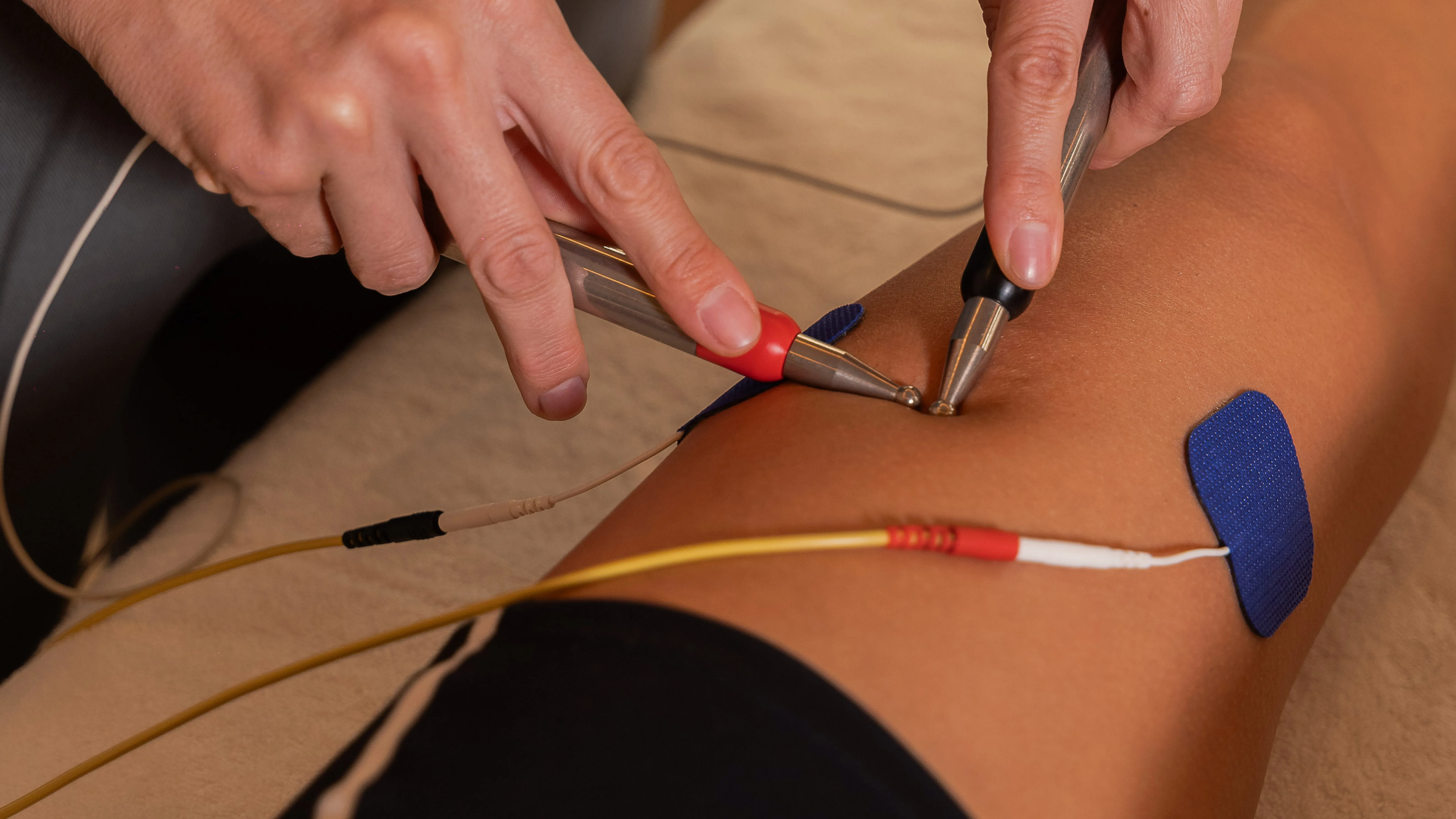
- Bio-energy stimulation device (B-E-St microcurrent)
- Corrective exercise guidance
Each session is guided by a multidisciplinary practitioner who assesses how your body is loading, moving, and recovering, making the treatment specific to your needs.

When Should You Do a Sports Massage?
Sports recovery is not just about feeling better after a workout—it’s about helping your body stay balanced, supported, and ready for what’s next.
A sports massage can be integrated at different stages of your routine:
- Before training or events → to prepare muscles and improve mobility
- After intense workouts or events → when muscle stiffness, soreness and fatigue peak
- During injury recovery → to address underlying imbalances and support healing
Recovery is best approached proactively, rather than reactively—before major symptoms build up.
Frequently Asked Questions
Who needs sports recovery?
Sports recovery is beneficial for anyone who exercises regularly—whether recreationally or at an intense level. It supports the body in managing physical load and helps reduce discomfort, fatigue, and delayed recovery.
How often should sessions be done?
This depends on your training intensity and lifestyle. For most active individuals, 1–2 sessions per week can support consistent recovery and performance.
Is sports recovery different from regular massage therapy?
Yes. Sports recovery sessions are more targeted and often combine multiple techniques. While traditional massage may follow a general full-body approach, sports massage focuses on specific muscle groups and deeper tissue layers related to activity and movement patterns.
Is a sports massage painful?
It can involve deeper pressure than a regular massage, especially when targeting areas of tension. Some discomfort may be felt during the session, but it is typically followed by a sense of release, improved movement, and reduced muscle tightness.
Supporting Strength as You Age
Building strength is one of the most important ways we support long-term health and maintain how the body moves with age.
To continue progressing—whether in strength, stamina, or muscle development—active recovery needs to be part of that process. Not only when discomfort appears, but as a consistent way to support the body as it adapts to load.
At Wellnest, our sports massage therapy in Dubai is designed to be part of a regular wellness routine—not reserved for athletes or treated as a clinical solution to injury, but as a therapeutic approach that supports a safer, more balanced active lifestyle.