
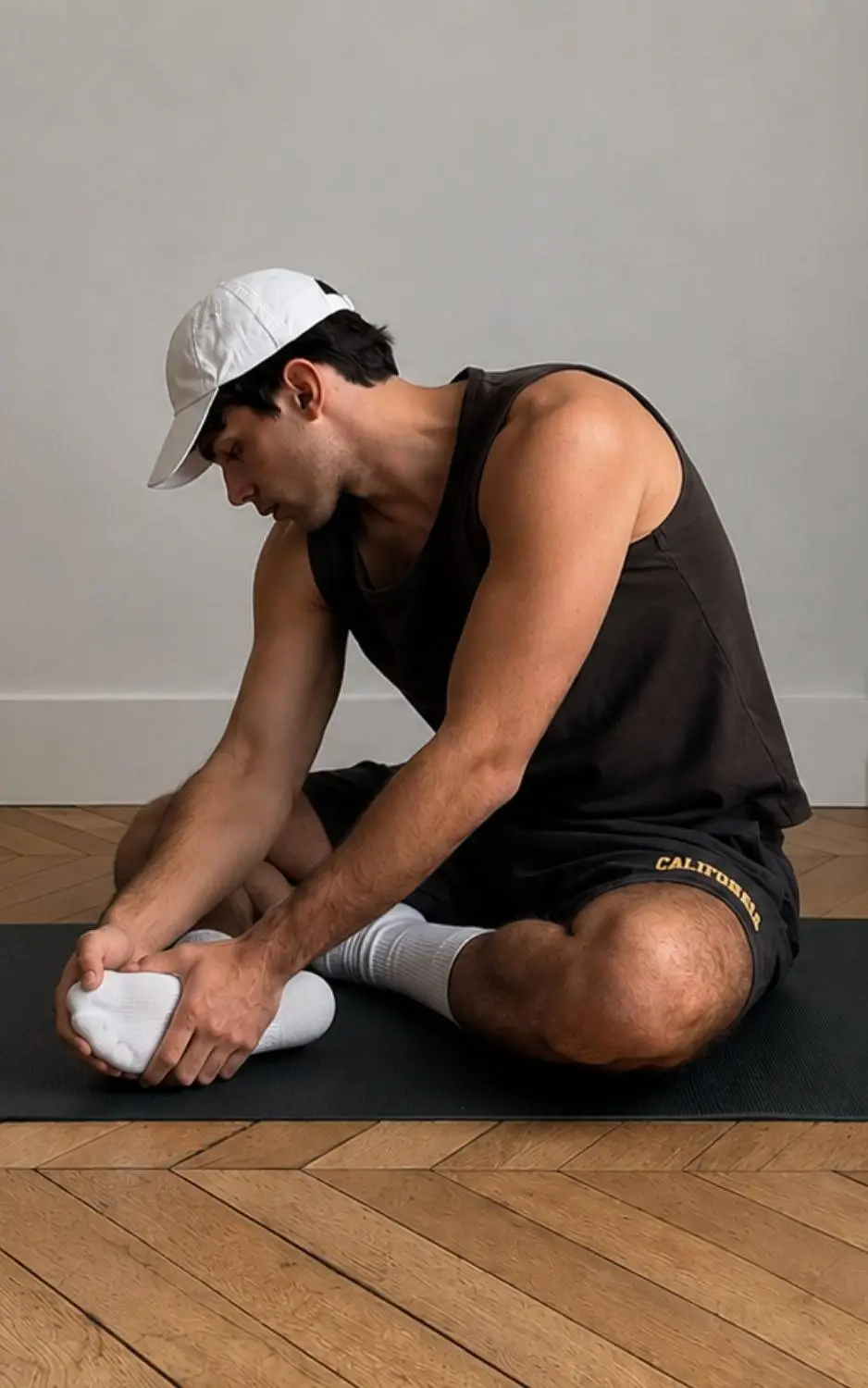
When pain or muscle strain strikes, rest often feels like the obvious answer. If your knee hurts, your back tightens, or your neck feels restricted, slowing down can seem logical.
But when pain becomes recurring or long-lasting, rest alone is rarely enough to support lasting relief. This is why modern pain management often focuses on supporting the body actively rather than only avoiding movement.
Many people dealing with chronic pain fall into a cycle of waiting for the discomfort to “settle down” before becoming active again. The problem is that prolonged inactivity can gradually make the body more sensitive, weaker, and less resilient over time. Muscles lose support, joints become stiffer, circulation slows, and the body can begin compensating in ways that place additional strain elsewhere.
Today, chronic pain affects more than 25% of the global population, according to research published through the National Library of Medicine. In many cases, the issue is not simply injury alone, but how the nervous system, muscles, fascia, and movement patterns continue responding long after the initial strain began.
What Happens When You Only Rest?
Rest can be supportive during the first 48 to 72 hours after an acute injury, intense workout, or flare-up. However, prolonged inactivity can gradually contribute to stiffness, muscle weakness, reduced mobility, and poorer circulation, which can slow the body’s natural recovery processes.
The body relies on circulation, nutrition, hydration, protein intake, sleep, and active recovery practices to support healing and restore function. This is why modern recovery approaches often focus on supporting the body gently back into movement, rather than complete rest alone.
Why Rest Works Short-Term but Fails Long-Term
The body is designed to adapt to movement. Muscles, joints, fascia, and connective tissues rely on circulation, mobility, and healthy loading to function well. Without enough movement, tissues receive less stimulation, key muscle chains can become underactive, and the body may become more vulnerable to stiffness, weakness, and recurring discomfort.
Research around immobilization and injury recovery has shown that avoiding progressive movement for too long can increase reinjury rates and delay proper recovery. Pain management strategies that involve gradual movement, tissue loading, and therapeutic bodywork tend to support better long-term outcomes than rest alone.
Pain is also closely connected to the nervous system. When the body remains under stress for extended periods, the nervous system can stay in a heightened state of alertness. This can increase sensitivity, muscular guarding, and tension throughout the body, even after tissues have physically healed.
Why Does Chronic Pain Not Get Better with Rest?
Many forms of chronic pain are not only related to inflammation or injury itself. They are often influenced by muscular compensation, poor posture, nervous system dysregulation, reduced circulation, weakness, and physical deconditioning over time.
This is especially common with:
- Chronic back pain
- Neck and shoulder tension
- Desk-dominant lifestyle strain
- Knee discomfort
- Sciatica-related tightness
- Sports recovery and overtraining fatigue
The body often continues reinforcing the same tension and compensation patterns that contributed to the discomfort in the first place, which is why rest alone is not a solution for recurring pain symptoms.
The Epidemic of Sedentary Lifestyles
Modern lifestyles have dramatically reduced how much the body naturally moves throughout the day. Long hours sitting, high stress levels, poor sleep, poor posture, and limited movement can all contribute to muscular tightness and recurring tension patterns.
In cities like Dubai, many people balance demanding schedules, desk-based work, commuting, and high mental stress while spending very little time supporting recovery and mobility. As a result, the body often begins compensating through tension and muscular imbalances.
This is one reason active recovery has become such an important part of modern pain management strategies.
The Case for Active Pain Management Strategies
Pain management strategies work best when they support the body as a connected system rather than focusing only on where pain is felt.
When recovery includes targeted circulation, tissue release, nervous system regulation, and gradual loading, the body becomes more resilient.
Active recovery does not mean pushing aggressively through pain. It is about using the right therapies and modalities to help the body restore healthier movement patterns, reduce compensation patterns, and support overall function in a gradual and supportive way.
What Is Active Recovery?
Active recovery involves gentle, controlled movement and recovery-based therapies that support circulation, tissue loading, mobility, and nervous system regulation without placing excessive strain on the body.
Unlike prolonged rest, active recovery helps maintain muscle function, reduce stiffness, improve internal healing processes, and support long-term pain management outcomes.
Effective Non-Surgical Pain Management Approaches
Many people searching for non-surgical pain management are not simply looking to mask symptoms temporarily. They want to understand why pain keeps returning and what can help support the body in preventing recurring pain in the first place.
Some of the most effective pain management strategies often combine multiple approaches together, including:
1. Myofascial Release for Chronic Muscle Pain
Muscles and fascia are deeply interconnected throughout the body. Restrictions in one area can influence movement and tension patterns elsewhere.
Myofascial release helps reduce built-up muscular tension, improve tissue mobility, and support circulation through targeted hands-on techniques. Combined with trigger point therapy and manual therapy approaches, it can help relieve deep knots, stiffness, and chronic tension patterns that contribute to pain.
At Wellnest, Manual Therapy, Sports and Therapeutic Massage sessions use these techniques as part of a targeted approach focused on addressing the underlying source of pain and restriction, not only where symptoms are felt.
2. Spiral Stabilization for Activating Inactive Muscle Chains
The Spiral Stabilization Method focuses on activating deeper stabilizing muscle chains that support posture, spinal alignment, and overall movement. It was developed in the Czech Republic by Dr. Richard Smíšek as an active recovery therapy designed to support alignment and pain relief.
Using specialized resistance bands, the method encourages upward elongation of the spine while supporting deep core activation and muscular strengthening.
This approach is supportive for chronic back pain, posture-related discomfort, scoliosis patterns, mobility restrictions, and recurring muscular compensation.
Wellnest is currently the only wellness center in the UAE offering Spiral Stabilization sessions guided by practitioners trained through official Czech instructors.
3. Nervous System Support for Stress-Related Tension
The nervous system plays a major role in how pain is experienced.
Stress, poor sleep, emotional overload, and long-term tension can keep the body in a constant fight-or-flight response. When this happens, muscles often remain guarded and pain sensitivity can increase.
Nervous system regulation therapies focus on helping the body shift into a calmer state. Through targeted release techniques, restorative bodywork, and gentle therapeutic approaches, the body can begin letting go of stored tension patterns more effectively.
This may also include supportive recovery modalities like infrared sauna therapy, which helps support circulation, relaxation, recovery, and better sleep quality.
For many people in Dubai dealing with chronic stress and recurring pain, nervous system support has become an important part of a more holistic recovery routine.
4. Functional Exercise Therapy for Movement Imbalances
Corrective Exercise Therapy focuses on improving how the body moves, stabilizes, and distributes load through targeted movement and strengthening techniques.
When certain muscle chains become weak or underactive, the body often begins compensating through other areas, which can contribute to recurring strain, poor posture, instability, and chronic discomfort.
Working with a practitioner who understands anatomy, biomechanics, and muscular function is important in helping identify these imbalances and support the body more effectively.
This combination can be particularly supportive for:
- Chronic pain recovery
- Sports recovery
- Recurring muscular strain
- Mobility limitations
- Weak stabilising muscle chains
- Non-surgical back pain support
Pain Management in Dubai: What to Look For
Effective pain management treatments in Dubai should not rely on only one type of therapy or modality.
The best pain management strategies often combine:
- Muscular tension and restriction release
- Targeted circulation and active recovery therapies
- Progressive stability and strength support
- Nervous system regulation
- Long-term recovery and movement habits
At Wellnest, recovery and wellbeing sessions are often integrated and tailored to support the body through healing and long-term prevention.
Frequently Asked Questions
Does resting help with chronic pain?
Rest alone is not the solution for healing recurring pain symptoms.
Rest can be supportive during the initial stages of acute pain or injury. However, prolonged rest alone often contributes to stiffness, muscular weakness, reduced mobility, and increased pain sensitivity.
What are the best non-surgical pain management strategies?
Some of the most effective non-surgical pain management strategies include manual therapy, myofascial release, active recovery therapies, corrective exercise therapy, nervous system regulation, and gradual tissue loading approaches tailored to the individual body and its movement patterns.
What is active recovery and how does it help with pain?
Active recovery is an approach that uses gentle movement, mobility work, biohacking therapies, and therapeutic bodywork to help support healing without placing excessive strain on the body.
Unlike complete rest, active recovery helps support targeted circulation, muscle function, tissue healing, and nervous system regulation, helping reduce stiffness, tension, and recurring pain patterns.
Where can I get non-surgical pain management in Dubai?
Wellnest in Dubai offers integrated non-surgical pain management therapies including Manual Therapy, Sports Recovery, Therapeutic Massage, Corrective Exercise Therapy, and biohacking modalities designed to support pain relief, mobility, recovery, and overall body function.
Don’t Wait for the Pain to Pass
Pain is often a sign that the body needs support.
Rest may temporarily reduce symptoms, but long-term pain relief often requires a more active and integrated approach.
Start your pain management journey at Wellnest, a wellness center in Dubai, and discover a holistic recovery approach that supports the body as a connected system.