.jpg)
A stiff neck that keeps returning, lower back pain after walking, or muscles that always feel tight may be signs of more than everyday tension. Manual therapy benefits people experiencing recurring pain, restricted movement, poor posture, and movement patterns that repeatedly strain the body.
Many people assume specialized hands-on treatment is only for injuries or post-surgery recovery. In reality, working with an experienced practitioner can help identify the source of a problem before it becomes more difficult to manage.
What Are the Benefits of Manual Therapy?
Manual therapy is used to reduce discomfort, restore range of motion, release restricted soft tissue, and improve the way the body feels.
Rather than treating only the area where pain is felt, the practitioner assesses the muscles, joints, fascia, posture, and movement patterns that may be contributing to the problem.
Depending on your assessment, techniques may include:
- Joint mobilization to improve restricted movement
- Myofascial release for tight fascia or knots
- Soft tissue release for muscle tension and adhesions
- Dry Cupping or Graston tools to release restrictions and support recovery
- Devices such as B-E-St (microcurrent therapy) for faster tissue healing
- Kinesio taping for targeted circulation and movement support
- Assisted stretching to improve mobility and flexibility
- Postural and movement assessment to identify compensation patterns
- Corrective exercises to restore muscle balance and better movement
Manual therapy can be particularly useful for office workers, active adults, athletes, and anyone experiencing recurring back pain, knee pain, stiffness, neck pain or reduced mobility.
How Manual Therapy Differs from a Regular Massage
Massage is generally focused on relaxation, circulation, and overall muscle tension. Manual therapy is more targeted and assessment-led.
A physical therapist looks at how different areas of the body work together. Recurring knee pain, for example, may be connected to the quads, foot mechanics, or muscle imbalance. Neck tension may be influenced by rounded shoulders, restricted upper-back movement, or long hours at a desk.
The goal is not only to make the painful area feel better temporarily. It is to understand what keeps placing strain on it, healing the root of the issue.
5 Signs You May Need Manual Therapy
1. Pain Keeps Returning in the Same Place
Recurring pain in the back, neck, knee, shoulder, or elbow can point to an unresolved movement restriction, repetitive strain, muscle imbalance, or persistent trigger point.
Sitting in the same position for hours, or performing similar movements during work or training can gradually overload certain muscles and tissues. This tends to create tight, sensitive areas commonly described as muscle knots.
You may also notice tingling, numbness, or sharp sensations travelling into the arms or legs. These nerve-related sensations may indicate that a nerve has become irritated or sensitive.
Manual therapy can help release restricted soft tissue, improve movement, and identify the pattern causing the area to flare up repeatedly.
2. Your Muscles Always Feel Tight
Muscle tightness that you repeatedly notice while stretching, exercising, or moving through daily activities may indicate that an area is restricted and in need of release.
The body may be protecting a stiff joint, compensating for weakness, or repeatedly placing strain on a muscle group that has not fully recovered.
You may notice stiffness when reaching overhead, bending to tie your shoes, turning your head while driving, or standing after sitting. Some people also wake up feeling tight even after a full night of rest.
During a manual therapy session, myofascial release and soft tissue techniques can help reduce restrictions, improve circulation and mobility, and support the body’s natural healing process.
3. Your Posture Is Starting to Change
If you notice your head leaning forward, one shoulder sitting higher, or your body shifting to one side, you may be developing a compensatory posture.
Over time, this can place uneven strain on otherwise healthy joints and muscles. Manual therapy for posture includes assessing your alignment and the way you sit, stand, walk, or train.
At Wellnest, your practitioner may also recommend practical at-home exercises to improve mobility, strength, and body awareness between sessions.
Addressing these patterns early helps prevent future chronic pain conditions.
4. You Are Experiencing More Strains or Injury-Like Soreness
Pulling muscles more frequently or feeling unusually sore after normal activity can suggest reduced stability, poor movement mechanics, or muscle imbalance.
A specialized practitioner can release overloaded soft tissue, and recommend exercises to improve balance, control, and overall stability. This can reduce unnecessary strain during exercise, work, and everyday movement, while lowering the risk of a more serious injury.
For more complex recovery needs, manual therapy at Wellnest may also be combined with Functional Exercise sessions to strengthen weak muscle chains or the B-E-St microcurrent device to support deeper tissue recovery.
5. Your Athletic Performance Is Declining
A noticeable drop in speed, power, endurance, or range of motion can happen when the body is compensating for stiffness, weakness, or restricted mobility.
You may struggle with a specific lift, lose range during a squat, feel less stable while running, or notice that one side fatigues more quickly.
A manual therapist can help identify muscle imbalances and movement inefficiencies that may be limiting performance. Addressing these issues can support better movement while reducing the risk of a minor restriction developing into a more serious limitation.
What to Expect from a Manual Therapy Session at Wellnest
A manual therapy session at Wellnest is dynamic and may combine several hands-on techniques, tools, or treatment methods to help you gain the most benefit from your session.
It does not follow a one-size-fits-all approach, where every client receives the same experience.
A manual therapy practitioner understands body anatomy and movement mechanics, allowing them to assess where you feel discomfort, which movements aggravate it, and whether another area of the body may be contributing to the problem.
Your session may include:
- A posture and movement assessment
- Hands-on joint and soft tissue techniques
- Myofascial release or targeted muscle knot release
- Mobility and corrective exercise guidance
- A treatment plan based on your needs and progress
Each session is adapted to your body, with the aim of reducing discomfort, improving movement, and helping you feel better in everyday life.
Frequently Asked Questions
What does manual therapy help with?
Manual therapy can help with recurring muscle and joint pain, stiffness, limited range of motion, postural strain, soft tissue restriction, nerve sensitivity, and movement imbalances.
How do I know if I need myofascial release?
You may benefit from myofascial release techniques if an area feels persistently tight, tender, restricted, or difficult to stretch. It may also be suitable when tension quickly returns after stretching or massage.
Is manual therapy good for chronic pain?
Manual therapy can form part of a broader plan for persistent pain, especially when restricted movement, muscle guarding, or repetitive strain is contributing. Treatment may also include movement retraining and muscle strengthening.
Can manual therapy help with desk-job posture in Dubai?
Yes. Long hours of sitting can contribute to rounded shoulders, forward head posture, muscle stiffness, and recurring neck or back tension. A practitioner can assess these patterns and provide hands-on treatment alongside exercises for home or the office.
How many manual therapy sessions will I need?
The number of sessions depends on the cause, duration, and severity of the problem. Your Wellnest practitioner will recommend a suitable plan following your initial assessment.
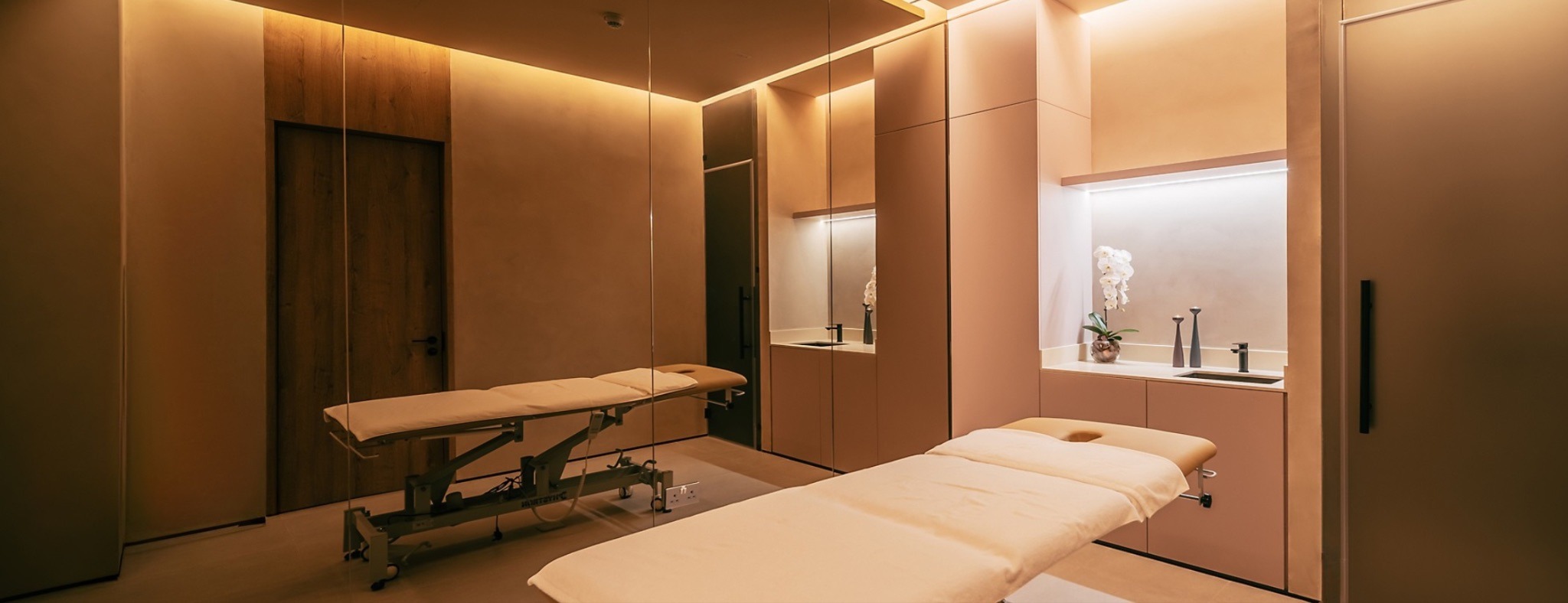
Wellnest: Wellness Center In Dubai
Recurring pain and stiffness do not have to become your normal.
Book a manual therapy session at Wellnest to understand what your body may be compensating for and take a more targeted approach to pain relief and muscle recovery.