.webp)
.webp)
Introduction
Cold exposure therapy has moved beyond a wellness trend and into a more considered role within modern health and recovery practices. In Dubai, an increasing number of high-performing professionals are turning to cold exposure therapy to address persistent stress, low energy, poor recovery, and metabolic stagnation.
Today, cold exposure therapy is accessible in Dubai through specialized wellness centers, most commonly in the form of ice baths or cryotherapy.
At its core, cold exposure therapy involves brief, controlled exposure to extreme cold — such as immersion in ice baths or cold plunges — to trigger specific neurological, hormonal, and metabolic responses in the body.
As part of a holistic wellness approach, these practices are used to support overall health, including pain relief, energy production, and mental clarity. When applied consistently, cold exposure can help improve stress resilience, immune regulation, and metabolic function.
This article explores how cold exposure therapy works, why it matters for modern lifestyles in Dubai, and when it can be supportive. Alongside its role in sports recovery and pain management, cold exposure therapy offers broad health benefits supporting physical, mental, and metabolic health for overall well-being.
What Is Cold Exposure Therapy and Why Is It Used?
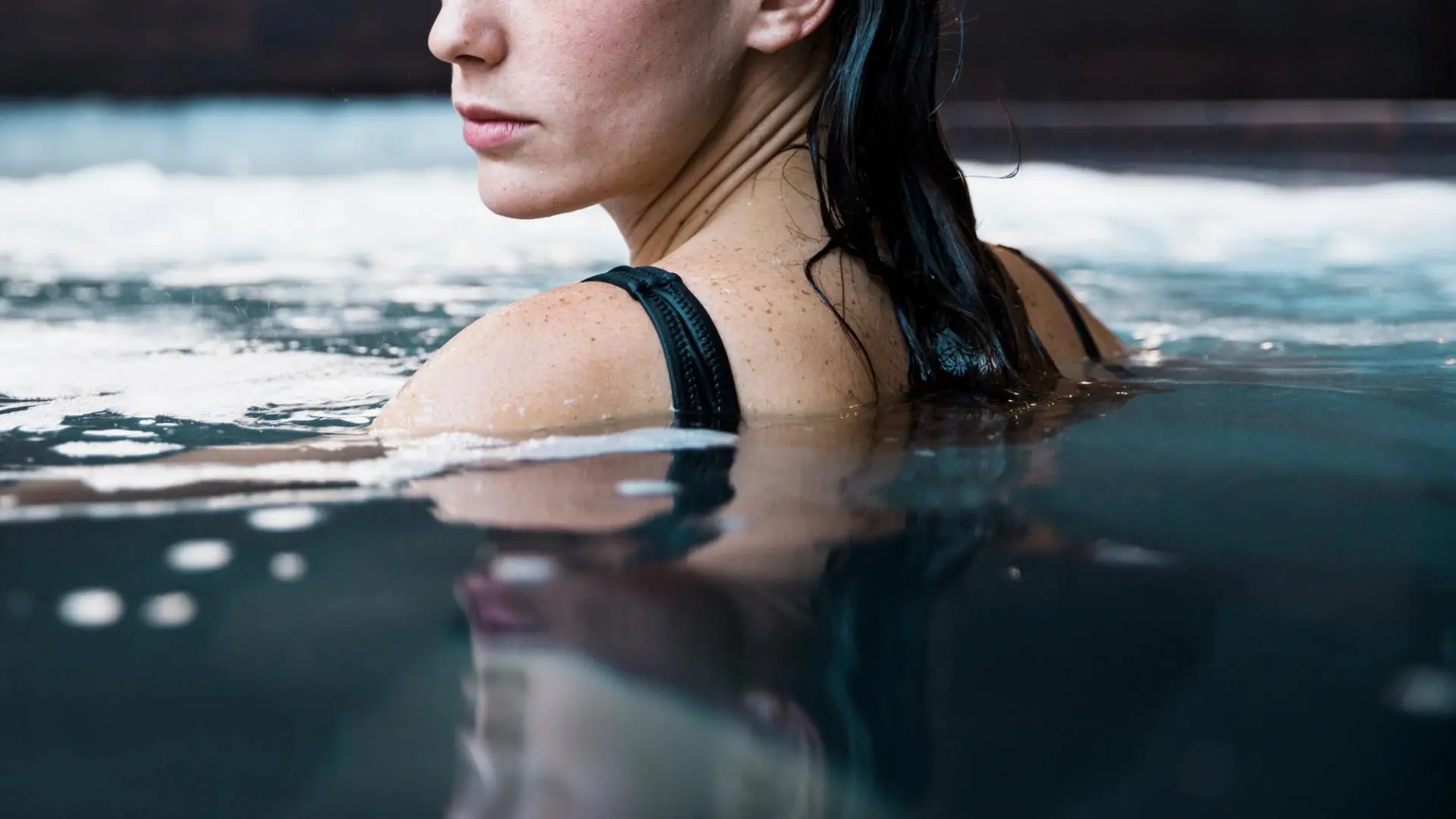
Cold exposure therapy involves exposing the body to cold temperatures (typically 8–15°C) for a short period to stimulate adaptive stress responses known as hormesis.
In Dubai, it is commonly delivered via ice baths, or cold plunge therapy at specialized recovery and longevity centers.
Cold plunge therapy sessions typically last between 2 to 5 minutes, with beginners starting at 1–2 minutes and gradually increasing as tolerated. Just a few minutes in a cold plunge is enough to activate the body’s natural biological processes that:
- Reduce chronic stress signaling
- Improve autonomic nervous system balance
- Activate brown fat for metabolic support
- Enhance immune signaling efficiency
Why Cold Exposure Therapy Matters More in High-Stress Urban Environments Like Dubai
Chronic Stress Is Often “Invisible.”
Many professionals experience:
- Constant mental pressure
- Poor sleep despite exhaustion
- Low motivation or emotional flatness
- Slow recovery from exercise or illness
These symptoms are frequently linked to nervous system dysregulation, not a lack of willpower or fitness.
Cold exposure directly engages the vagus nerve, shifting the body from a chronic “fight-or-flight” state toward better stress adaptability.
In addition, cold exposure therapy can support mental health by promoting mood elevation and stress reduction. This process helps individuals feel more resilient and emotionally balanced, making it a valuable tool for overall mental well-being.
How Cold Exposure Therapy Works: Physiology Explained
1. Norepinephrine & Dopamine Regulation
Cold exposure triggers a sharp increase in norepinephrine, a neurotransmitter involved in focus, alertness, and mood stability. In addition, cold exposure can help regulate cortisol levels, reducing the body's stress response and supporting emotional balance.
Unlike stimulants, this rise is endogenous and regulated.
Over time, this can help stabilize the dopamine baseline, which is often blunted in chronically stressed individuals.
2. Brown Adipose Tissue (BAT) Activation
Cold exposure activates brown adipose tissue, a metabolically active type of fat that burns energy to generate heat. By stimulating brown fat activity, cold exposure supports the body’s natural thermogenic and metabolic processes.
Regular cold exposure has been shown to increase metabolic rate by as much as 16%, particularly during and shortly after exposure, as the body works to maintain core temperature.
Additionally, cold exposure also stimulates cold shock proteins and brown fat activity, which can support body-composition and weight loss goals
This process can help:
- Improve insulin sensitivity
- Support metabolic flexibility
- Contribute indirectly to fat loss
This is why cold therapy for weight loss works best as a metabolic support tool, not a direct or calorie-burning shortcut.
3. Vasoconstriction and Recovery
Cold exposure initially causes vasoconstriction, a temporary narrowing of blood vessels that reduces blood flow to peripheral tissues. This response helps limit inflammatory signaling and protect tissues during acute stress.
When the body begins to rewarm after cold exposure, vasodilation occurs, allowing blood vessels to widen and circulation to increase. This rebound effect supports the delivery of oxygen and nutrients to tissues, while helping move metabolic byproducts through the circulatory and lymphatic systems.
This cold-to-warm circulation response can support:
- Muscle recovery
- Reduced inflammatory signaling
- Improved tissue oxygenation
- Overall circulation efficiency
A cold plunge supports circulatory responsiveness, which plays a major role in recovery and overall cardiovascular health. This is why ice baths are commonly used in recovery centers in Dubai.
Cold Exposure Therapy for Stress & Burnout
Why It Helps Stress (When Done Correctly)
Cold exposure introduces controlled stress, which trains the nervous system to respond more efficiently to stressors.
Key benefits include:
- Improved heart rate variability (HRV)
- Faster emotional recovery after stress
- Better sleep onset in some individuals
This is particularly relevant for professionals experiencing burnout symptoms without clear medical causes.
When Cold Exposure Should Be Used with Care
Cold exposure is most supportive when it matches the body’s current capacity. It may feel less beneficial when:
- Sessions are too intense or prolonged
- The nervous system is already under significant strain
- The body is dealing with underlying imbalances that require gentler support
Caution is advised for individuals with high blood pressure, cardiovascular diseases, or pregnancy, as cold plunging is not recommended for these groups.
Ice Baths vs Cold Plunges: What’s the Difference?
In Dubai, these terms are often used interchangeably, but there are important differences in temperature control, intensity, and how the body responds to each.
Ice Baths
- Temperature: Unpredictable, often 0–5°C
- Control: Low temperature drops unevenly as ice melts
- Experience: Sharp, intense cold shock; more stress-inducing
- Best for: Experienced users, short exposure, and athletic or performance-focused settings
Cold Plunges
- Temperature: Stable and adjustable, typically 8–15°C
- Control: High — precise and consistent
- Experience: Cold but steady, more tolerable
- Best for: Regular use, beginners, and wellness or biohacking protocols
A professional wellness center will typically use controlled cold plunges, allowing temperatures to be set according to individual tolerance and recovery needs.
The Wim Hof Method in Dubai: Context Matters
The Wim Hof Method combines cold exposure, breathwork, and mindset training. While powerful, it is not universal.
It works best for:
- Individuals with good baseline resilience
- Those seeking performance or mental clarity
It may not be appropriate for:
- Highly burned-out individuals
- People with cardiovascular concerns
Blindly copying protocols from social media without understanding personal stress load, health status, or recovery capacity is a common mistake. Practices like the Wim Hof Method are most effective when adapted thoughtfully, rather than followed at full intensity by default.
Boosting Energy Levels with Cold Exposure
Cold exposure, whether through a cold plunge or ice bath, can be a great way to naturally support your energy levels when you're feeling depleted. When you allow your body to experience cold temperatures, it responds by improving blood flow and circulation, helping oxygen and nutrients reach your cells more effectively. This natural response can leave you feeling more present and clear-minded, offering a sense of renewal that feels both grounding and refreshing during those moments when life feels particularly demanding.
Over time, regular cold therapy can encourage your body to develop what's called brown fat, a special type of tissue that helps generate warmth and supports your body's natural energy processes. As this tissue becomes more active, your body may become more efficient at using energy and maintaining steady vitality throughout your day.
The gifts of cold exposure extend beyond immediate relief; with gentle consistency, you will notice clearer thinking, a greater sense of calm when facing daily stressors, and a more sustained feeling of well-being. For those navigating busy lives in Dubai, welcoming cold therapy into your wellness routine can be a nurturing way to support yourself and honor your body's natural capacity for balance and renewal.
Contrast Therapy and Its Effects
Contrast therapy gently moves you between warm and cool temperatures, creating a nurturing rhythm that supports your body's natural recovery process. As you experience these gentle temperature changes, your circulation naturally responds, helping to refresh and restore tired muscles while encouraging the release of tension you may be carrying. This simple practice offers your body a chance to reset, bringing fresh energy to areas that need it most while supporting your overall sense of well-being.
For those who stay active or anyone feeling the effects of daily stress, contrast therapy can be a gentle companion in your wellness journey. The mindful shifts between temperatures may help you feel more mentally clear and emotionally balanced, offering a pathway to release both physical tension and mental fatigue.
Whether you're hoping to support your body's recovery or simply looking for a way to feel more grounded and restored, this practice provides a compassionate approach to caring for yourself, honoring your body's needs while supporting your overall sense of balance and vitality.
Cold Therapy for Athletic Performance
Cold water therapy, like gentle ice baths and cool water immersion, can offer meaningful support for those looking to care for their bodies after movement and exercise. When you immerse yourself in cool water following physical activity, it naturally helps ease muscle tenderness and calm inflammation, creating space for your body to restore itself more comfortably. This gentle practice can be especially supportive if you're someone who moves your body regularly and wants to feel more balanced between activity and rest.
Beyond helping your muscles recover, cold water therapy can also support your overall sense of well-being by encouraging healthy circulation and reducing the stress that intense movement can place on your body. Many people find that incorporating cool water practices not only helps them feel more physically at ease but also creates a sense of mental clarity and calm resilience. If you're interested in exploring how movement and recovery work together, gently introducing cold therapy into your routine might offer a meaningful way to support both your physical comfort and your overall sense of balance.
Immediate Effects of Cold Therapy
When you first experience cold therapy, you'll likely notice gentle shifts in how your body feels, even within just a few minutes. As you ease into a cold plunge or ice bath, your body naturally responds by encouraging blood to flow more freely, which can offer a soothing sense of relief to tired muscles and help you feel more restored. This natural response is part of why many people find cold therapy to be such a helpful companion in their recovery routine.
Cold exposure also gently awakens what's often called your body's protective response, which may support your immune system and encourage the healthy activity of your body's natural defense cells. Many people also find themselves feeling clearer and more centered afterward, with a noticeable sense of calm settling in. When practiced regularly, cold plunges can offer you a gentle path toward reduced inflammation and improved physical resilience, along with a deeper sense of overall well-being benefits that extend well beyond those first few moments of coolness and can genuinely support you in your daily life.
Expert Insights: How to Use Cold Exposure Safely and Effectively
Practical Guidelines
- Start with 30–60 seconds, not multiple minutes.
- Prioritize calm breathing over endurance.
- Consistency matters more than intensity.
Real-World Warning
Cold exposure is not relaxation. If you treat it as such, you will overdo it. Its value lies in adaptation, not comfort.
Common Mistakes to Avoid
Mistake 1: Using Cold Exposure as a Fat-Loss Shortcut
It supports metabolism, it does not replace nutrition or movement.
Mistake 2: Overexposure
More cold ≠ more benefit. Excess exposure can increase cortisol and fatigue.
Mistake 3: Ignoring Individual Context
Age, stress load, sleep quality, and health history all matter.
FAQs
Is cold exposure therapy safe?
Yes, when supervised and adapted to the individual. It is not recommended without guidance for certain medical conditions.
How often should cold exposure be done?
Typically 2–4 times per week, depending on your wellness goals and stress levels.
Does cold exposure boost immunity?
It can improve immune regulation, not immunity “strength.” The effect is indirect and adaptive.
Can cold therapy help with weight loss?
It supports metabolic health and brown fat activation but is not a standalone weight-loss solution.
Is ice bath therapy popular in Dubai?
Yes, particularly in premium recovery and longevity centers offering guided protocols, made famous by celebrities and sports stars.
Does cold exposure reduce inflammation?
It can modulate inflammatory signaling, especially when paired with proper recovery.
Is cold exposure good for burnout?
It can help when used gently and strategically, but aggressive protocols may worsen burnout.
Conclusion: Is Cold Exposure Therapy Right for You?
Cold exposure therapy is a precision tool, not a trend. When applied correctly, it can improve stress resilience, metabolic flexibility, and recovery especially for high-performing professionals in demanding environments like Dubai.
The key is context, dosage, and guidance. Used carelessly, it adds stress. Used intelligently, it teaches the body how to recover.
For those seeking long-term vitality rather than quick fixes, cold exposure is best approached as part of a broader, personalized wellness strategy.