.webp)
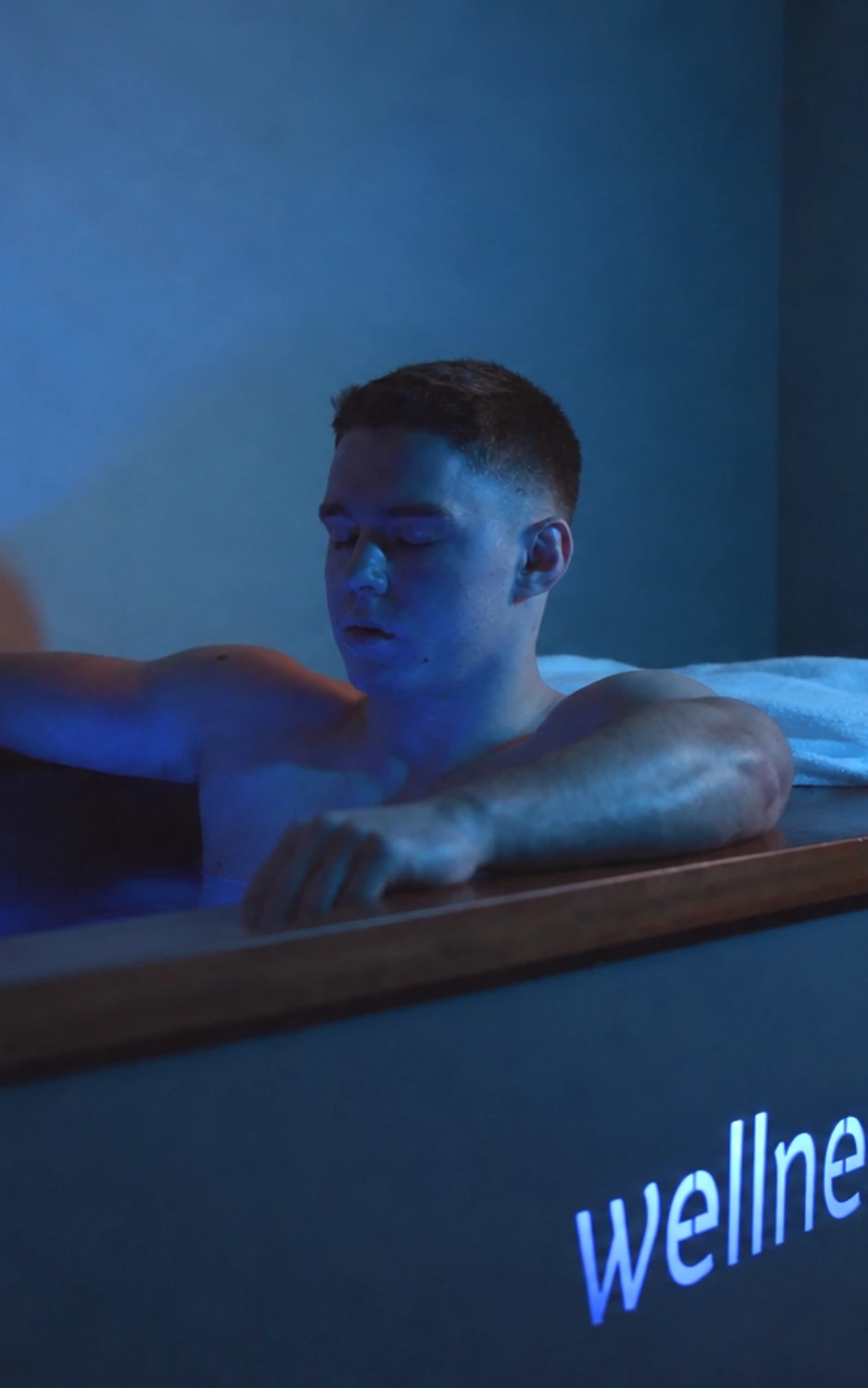
Cold exposure has moved from niche recovery circles into mainstream wellness, and for good reason. From improving energy and focus to supporting recovery and mental resilience, cold plunge therapy in Dubai is becoming a consistent part of modern routines.
At Wellnest, we see cold plunge not as a trend, but as a tool, one that supports how your body adapts, recovers, and feels from within.
Your health is driven by biology, and your cells function like batteries - stress, toxins, and intense training drain them. How you recharge them makes all the difference.
What is Cold Water Immersion Therapy?
Cold water immersion, often referred to as a cold plunge or ice bath, involves exposing the body to cold water for a short, controlled period. While the terms are often used interchangeably, there is a key difference:
A cold plunge is typically done in a controlled environment with regulated temperatures, while an ice bath is often unregulated and less precise. Cold showers can also offer benefits, but they don’t provide the same level of intense full-body exposure.
When the body enters cold water, it activates a series of physiological responses: increasing circulation, stimulating the nervous system, and supporting cellular function.
Cold Plunge Guidelines: Temperature, Time & Technique
To experience the benefits safely and effectively, here are some tips to keep in mind:
• Temperature: 8°C to 12°C is optimal. Beginners can start around 15°C and gradually work their way down. A cold plunge is temperature-regulated, meaning your wellness center can adjust it to your comfort and level.
• Duration: 3 to 6 minutes is enough to activate the body’s internal responses. Longer exposure or colder temperatures are not necessary and can increase risk.
• Frequency: Around 2–4 sessions per week, or a total of ~10–12 minutes weekly exposure.
• Breathwork: Controlled breathing helps manage the initial shock. Box breathing is commonly used - inhale for 4 seconds, hold for 4, exhale for 4, hold for 4 which is helping you stay calm and in control.
• Rewarming: Allow your body to return to its natural temperature or combine with infrared sauna heat as part of a balanced contrast therapy approach.
When to Use a Cold Plunge
Cold exposure can fit into your routine in different ways:
- After workouts to support recovery
- During periods of high stress or fatigue
- In the morning to support energy and focus for the day
- As part of a weekly wellness routine
Benefits of Cold Plunge Therapy
Cold plunging works by placing the body under controlled stress - activating internal systems that support recovery, focus, and energy. With consistent exposure, these responses become more efficient.
Here’s what that looks like in the body:
Mood & Mental Clarity
Cold exposure has been shown to increase dopamine and norepinephrine- key drivers of focus, motivation, and mood. Dopamine levels can rise significantly (up to 250%) and remain elevated for hours, supporting sustained mental clarity and energy.
Stress Resilience (Hormetic Response)
Cold acts as a controlled stressor, leading to physiological adaptations that strengthen the body. Over time, this helps train the nervous system to handle stress more efficiently, improving resilience and your ability to stay calm under pressure.
Reduced Inflammation & Recovery Support
Cold exposure causes peripheral vasoconstriction, directing blood flow toward vital organs while reducing inflammation in muscles and joints. This supports faster recovery after training and helps ease physical tension.
Metabolic Activation
Cold plunging activates brown fat, a type of fat that burns energy to generate heat. This supports metabolic function, helps regulate blood sugar, and increases overall energy efficiency at a cellular level.
Cellular Support
Cold exposure stimulates proteins linked to cellular repair and adaptation, helping the body respond more efficiently to physical and environmental stress.
Cold Plunge for Women: What to Know
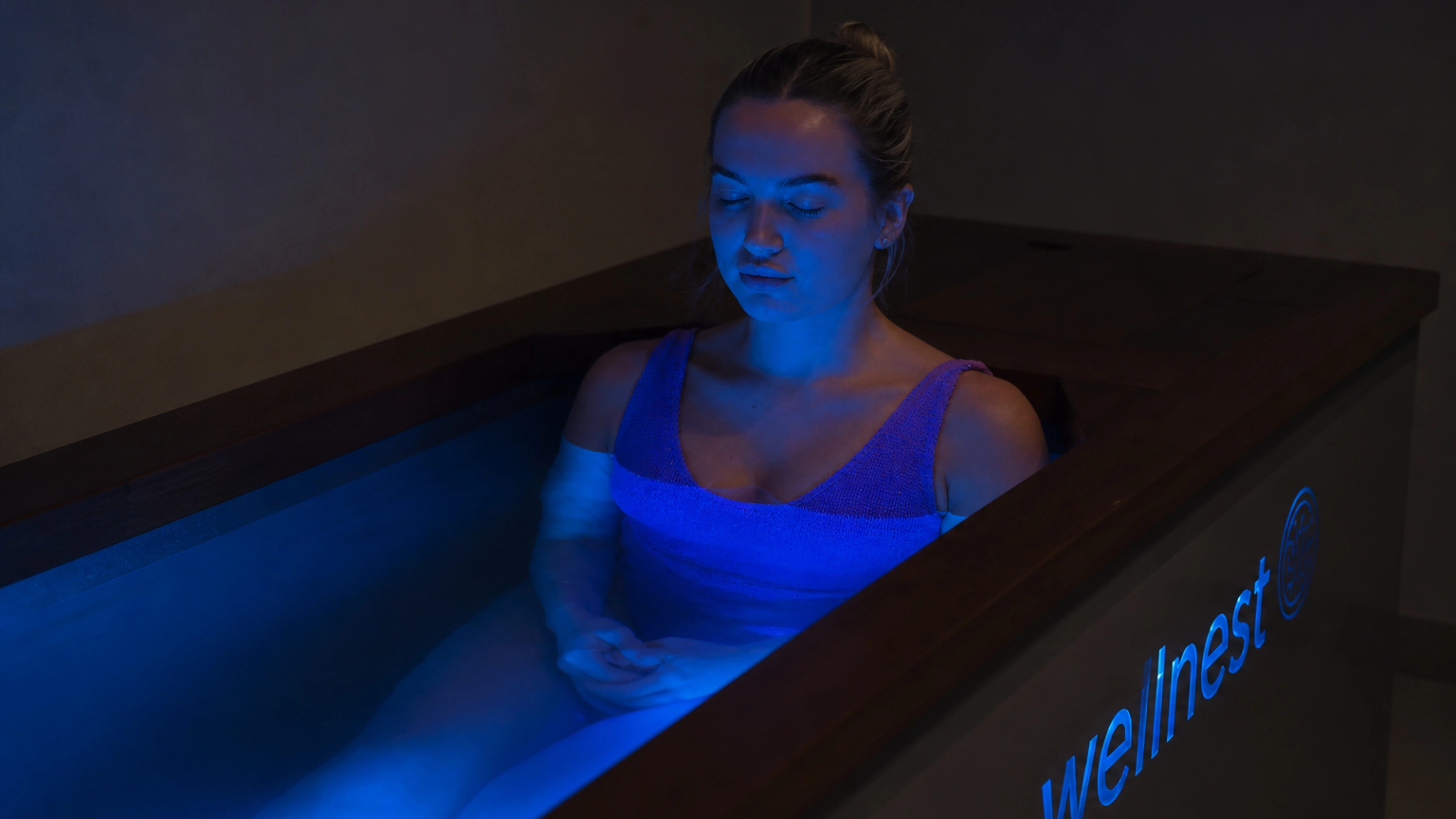
There is growing conversation around how cold exposure affects women differently, largely due to hormonal fluctuations, body composition, and thermoregulation.
Research shows that women generally have lower cold tolerance than men, due to differences in muscle mass, metabolic rate, and estrogen’s role in temperature regulation. This means the same protocol doesn’t always apply, and a more individual approach matters.
At the same time, studies suggest cold exposure can support mood regulation, reduced anxiety, and improved stress resilience for women, which can be particularly beneficial across different phases of the female cycle.
Here’s how to approach it:
- During the luteal phase (post-ovulation): Core body temperature is naturally higher due to progesterone. Some women may tolerate cold exposure better during this phase, though fatigue levels should still be considered.
- During the follicular phase: With lower baseline body temperature and higher estrogen, some women may feel more sensitive to cold — shorter, less intense exposure is often better tolerated.
- Right before or during menstruation: The body is already under physiological stress. Many practitioners recommend avoiding cold exposure during this time and prioritizing warmth and recovery instead.
- Post-menopause: Research suggests improved tolerance to cold exposure due to hormonal shifts, though individual response still varies.
- Pregnancy & breastfeeding: Cold plunging is generally not recommended due to potential stress responses and lack of sufficient research. Gentler approaches, such as cool (not cold) showers, are considered safer alternatives.
Women also tend to have a stronger vasoconstriction response, which can make cold exposure feel more intense. This is why shorter durations and slightly higher temperatures are often more appropriate.
Combining cold exposure with heat, such as infrared sauna, can help balance the stress response, support circulation, and create a more regulated overall experience.
Frequently Asked Questions
Is cold plunge safe?
Cold plunging is generally safe when done gradually and within recommended time and temperature ranges. If you’re new, start with shorter durations and slightly higher temperatures, then build from there.
If you have cardiovascular conditions, blood pressure concerns, or circulation-related issues, it’s best to consult your doctor before starting.
Can I get the same effects from cold air?
No. Cold water is far more thermogenic than cold air, meaning it lowers body temperature faster and creates a stronger physiological response.
This is why a cold plunge activates circulation, metabolism, and the nervous system more effectively than exposure to cold air alone.
Is a cold plunge good for your health?
Yes. Cold water immersion has been practiced for generations in cultures across the Nordic regions. Today, it’s made more accessible through wellness centers and structured routines. When used consistently, it can support muscle recovery, circulation, mood, and stress resilience.
How long should I stay in a cold plunge?
Around 3 minutes is a good benchmark to work up to. This is enough to activate the body’s natural responses without overexposure. Beginners can start with shorter intervals and gradually increase as tolerance builds.
What are common cold plunge mistakes?
Staying in too long, especially as a beginner, is one of the most common mistakes. Another is neglecting breath control - steady, controlled breathing helps regulate the initial shock response and supports a more balanced experience.
Cold Plunge Therapy in Dubai
With growing interest in recovery, performance, and longevity, cold plunge therapy is becoming a consistent part of wellness routines in Dubai.
Cold water immersion works through clear physiological responses i.e., supporting circulation, activating the nervous system, and helping the body adapt to stress more efficiently.
When used correctly, it can support how your body recovers from physical strain, manages stress, and maintains steady energy throughout the day.
As with any wellness tool, it’s important to start gradually and listen to your body. Building tolerance over time allows the body to adapt in a more balanced way. The real benefit comes from consistency and intentional use, not intensity alone.
References
https://www.health.harvard.edu/heart-health/cold-plunges-healthy-or-harmful-for-your-heart
https://pmc.ncbi.nlm.nih.gov/articles/PMC13058241/?
https://journals.physiology.org/doi/full/10.1152/physrev.00015.2003