%20(1).webp)

Low energy. Tight shoulders. Restless sleep. Back pain that keeps coming back. These symptoms are common, but when they become recurring patterns, they are often signs that the body needs more support.
At Wellnest, we assess beyond the symptom to identify what is causing discomfort, then guide you toward the most suitable therapies for long-term relief at our wellness center in Dubai.
Wellness is not about quick fixes. It is about understanding what your body needs and choosing the right approach, whether through movement therapy, infrared heat, hands-on bodywork, or diagnostic insight into the deeper source of imbalance.
This guide keeps things simple. If you recognize the symptom, you can better understand which wellness therapy may be the right place to start.
Why More People Are Turning to Wellness Therapies in Dubai
Wellness therapies include science-backed modalities such as manual therapy, therapeutic massage, functional exercise therapy, infrared sauna, cold plunge, craniosacral regulation, or diagnostic testing such as GlycanAge.
These therapies support the body’s natural recovery, regulation, and repair processes. They can help address patterns behind symptoms such as fatigue, muscle tension, poor sleep quality, stress, and slow recovery.
In Dubai, we often see two extremes: highly sedentary routines or fast-paced, active lifestyles with long, demanding hours. Over time, these patterns can leave the body feeling tired, heavy, tense, or overstimulated.
More people are turning to intentional therapies today, not only after injury or surgery, but as a proactive way to heal imbalances earlier, support long-term health, and feel stronger in daily life.
Symptom 1: Chronic Fatigue and Low Energy
Chronic fatigue can feel like waking up tired, relying on caffeine to get through the day, losing motivation, or feeling mentally foggy even after rest. It may also come with muscle aches, low focus, irritability, or a general feeling that the body is running on low battery.
In Dubai, low energy is often connected to high-stress routines, long work hours, heat, travel, lack of recovery, and eating out often without much intention. Over time, these habits can affect sleep, inflammation, digestion, and the body’s ability to fully recharge.
When tiredness becomes a pattern, the body is asking for deeper support.
Wellness Therapies That Help:
- Infrared Sauna
Supports deep relaxation, circulation, sweating, and cellular-level recovery through gentle infrared wavelengths. Helpful when fatigue is linked to stress, poor sleep, or lack of recovery. - Cold Plunge Therapy
Cold exposure activates the nervous system, helping the body feel more awake, alert, and resilient. Supportive when fatigue feels like mental fog, low motivation, or slow post-training recovery. - The GlycanAge Test
Provides deeper insight into biological age and inflammation-related imbalances. Helpful when fatigue feels unexplained, or connected to the immune system.
Small lifestyle shifts can also play an important role, including more sunlight exposure, electrolytes, daily movement, protein-rich meals, and screen-free wind-downs at night.
Symptom 2: Muscle Tension, Stiffness, and Back Pain
Muscle tension often builds slowly. Many people wait until the body feels painful, tight, or restricted before giving it the release and support it needs.
Stiffness tends to show up in the neck, shoulders, lower back, legs, or knees. When left unaddressed, these everyday aches can become long-term patterns that affect movement, sleep, and overall comfort.
These symptoms can come from desk work, stress, poor posture, intense training, or lack of recovery. In many cases, the body may also start compensating, which means one area works harder because another area is weak, tight, or not moving well.
Wellness Therapies That Help:
- Manual Therapy
Manual therapy for muscle pain uses hands-on techniques such as myofascial release, soft tissue therapy, and joint mobilisation to support range of motion, reduce stiffness, and improve how the body moves. - Spiral Stabilization
Spiral Stabilization is a movement-based method that supports posture, spinal decompression, and better movement patterns. It is especially helpful for recurring back pain, poor posture, core weakness, and alignment concerns. - Therapeutic Massage
Therapeutic massage helps release built-up knots, muscle fatigue, and heaviness in the body. At Wellnest, this is ideal for clients who feel physically overworked, tight, or in need of deep release.
Symptom 3: Poor Sleep from Stress and Nervous System Overload
The nervous system is responsible for many processes in the body, including sleep, digestion, recovery, mood, and the way the body responds to stress.
When the nervous system is constantly in “fight or flight” mode, daily simple tasks can start to feel urgent or overwhelming. Over time, this can affect the body’s ability to fully relax, recover, and switch off at night.
Poor sleep is often connected to how the nervous system has been operating throughout the day. If you feel wired but tired, restless, overstimulated, or unable to fully unwind, your body may be stuck in a stress response.
Stress can also show up physically through muscle tension, headaches, jaw clenching, digestive discomfort, exhaustion, and disrupted sleep. This is why calming the mind can be just as important as calming the body.
Wellness Therapies That Help:
- Craniosacral Regulation
A gentle hands-on therapy that targets nervous system pathways and the lymphatic system using osteopathic techniques. It helps release tension, calm the body, and support a deeper rest-and-recovery response. - The Nir Levi Method
Offered at Wellnest, the Nir Levi Method supports nervous system regulation through targeted bodywork, pressure-point techniques, and guided release. It is helpful for clients experiencing emotional overload, inner tension, or difficulty feeling calm within the body. - Anti-Stress Massage
A deeply relaxing full-body treatment that supports circulation, eases physical tension, and helps the body disconnect from daily stress. Helpful when poor sleep is linked to mental overload, or the feeling of being unable to switch off.
Symptom 4: Post-Training Soreness and Pain
Post-training soreness can happen after intense strength training, running, cycling, padel, or returning to exercise after a break.
Training should challenge the body, but it should not leave you in severe pain, restricted, or unable to move naturally. If soreness lasts longer than expected, or the same areas keep becoming painful, it may be a sign of muscle weakness, poor movement patterns, or slow internal recovery.
Pain in the knees, back, or shoulders is often connected to how the body moves as a whole. One area may be working harder because another area is weak, tight, or not activating properly.
Supporting muscle strength and movement quality is important not only for active performance, but also for long-term health, with muscle mass linked to healthy aging and longevity.
Wellness Therapies That Help:
- Functional Exercise Therapy
Corrective exercise therapy at Wellnest supports strength, control, and movement quality. It is helpful for clients who want to strengthen weak muscle chains, improve posture, reduce recurring discomfort, and progress safely from recovery to performance. - Sports Massage
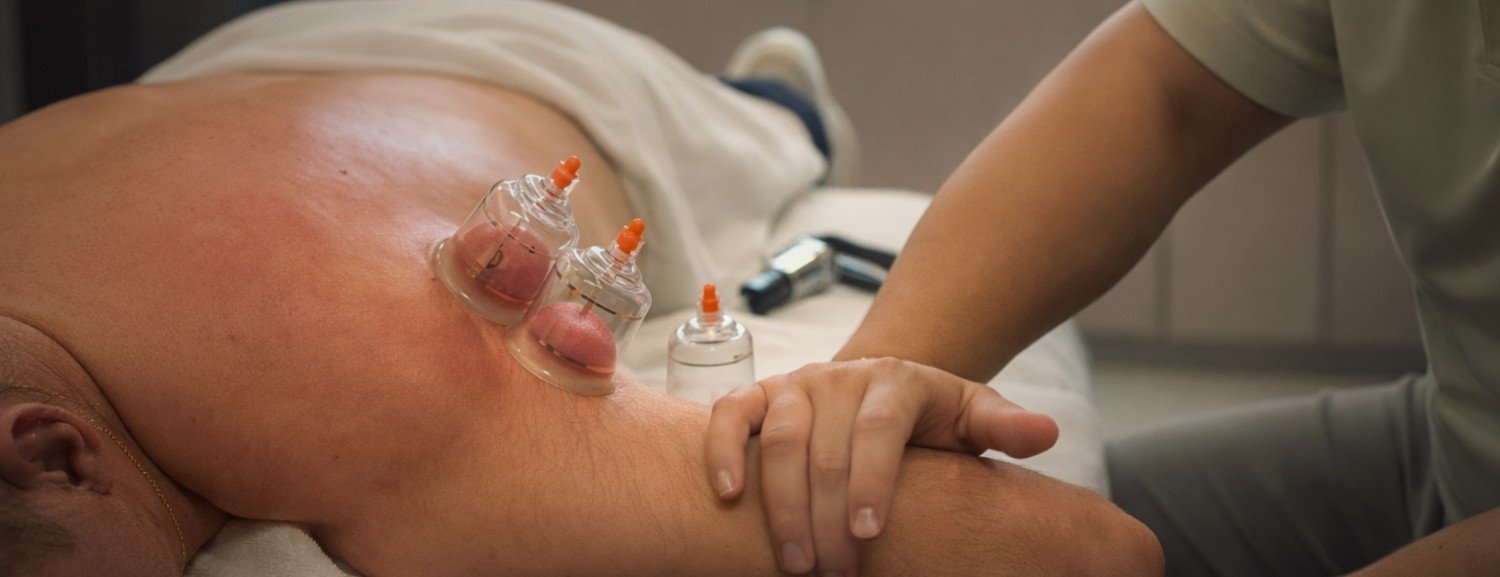
Sports recovery sessions help release muscle tension, improve circulation, and support recovery after physical activity. Treatment may include hands-on techniques, IASTM, dry cupping, or targeted pressure work to ease soreness and support the body’s natural healing process. - Contrast Therapy
Contrast therapy combines infrared heat and cold exposure to support circulation and recovery. Heat promotes vasodilation, widening blood vessels to increase blood flow, while cold exposure promotes vasoconstriction, narrowing blood vessels to help reduce inflammation. Together, this hot-cold effect helps ease soreness and support faster post-training recovery.
Frequently Asked Questions
What Makes a Wellness Center Different from a Medical Clinic?
A medical clinic is often reactive, focusing on diagnosing and treating specific illnesses, injuries, or symptoms through conventional medicine, procedures, or surgery.
A wellness center is more proactive, focusing on optimizing overall health, preventing future issues, and supporting physical and mental balance. Instead of only treating symptoms, it looks at the body as a whole to address root causes through lifestyle support, movement therapy, hands-on bodywork, recovery treatments, and integrative wellness tools.
At Wellnest, we take a holistic approach, often combining different therapies to support long-term healing, recovery, regulation, and prevention.
What Therapies Help with Muscle Pain and Tension?
Manual therapy is a good place to start for pain, stiffness, and restricted movement.
Therapeutic massage can support general tension, muscle fatigue, and stress-related tightness.
Spiral Stabilization or personalized corrective exercise therapy may be recommended when tension is linked to posture, spinal alignment, muscle weakness, or recurring movement patterns.
Can Wellness Therapies Help Prevent Pain from Coming Back?
Yes, wellness therapies can help reduce recurring pain by supporting movement quality, posture, strength, circulation, and recovery.
For long-term results, therapies are often combined with lifestyle changes, corrective exercise, and regular maintenance sessions.
%20(1).webp)
Still Not Sure Where to Start? Consult with our Wellness Center in Dubai
The body gives us signs before it reaches burnout, pain, or complete exhaustion. For those who want to live longer, healthier, and more balanced lives, paying attention to those signs matters.
At Wellnest, our team can help guide you toward the right therapy based on what you are feeling, your personal health goals, and what your body needs most.
Find the right wellness therapy for your symptoms at Wellnest, located in The Springs Souk, Dubai.